
Packaging and Branding Trends in the Oceania
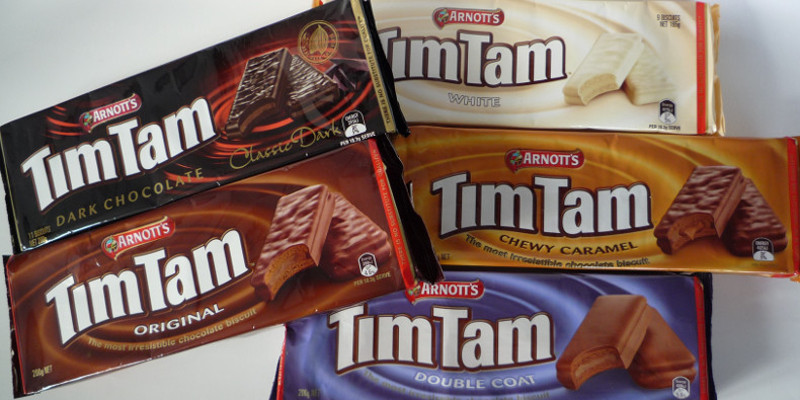
Consisting of 25 countries and dependent territories, the Oceania region boasts a wide portfolio of bread and biscuit packaging designs. The four largest countries – Australia, New Zealand, Papua New Guinea and Fiji – are representative of the various approaches to design and packaging of bakery products in the area, and we’ve analyzed the main trends.
Prepackaged Bread
Most consumers still buy fresh artisanal bread, but there are also many different prepackaged brands on the market. The industrial bakers in the area offer various prepackaged and sliced breads to attract new consumers.
One of the largest baked goods companies in Australia is George Weston Foods (GWF). They are an entirely owned subsidiary of Associated British Foods and produce several prepackaged brands of bread, including Tip Top and Burgen.
Tip Top Bakeries is in constant growth and acquires small bakeries in Australia, New Zealand and China. Its most recognizable brands are Sunblest, The One, 9 Grain, eponymous Tip Top, Golden, Burgen and Abbott’s Village Bakery.
Sunblest, The One, 9 Grain and Tip Top had a redesign by Interbrand Group in 2010. They all share the same element on the package – simple “fold down” that shows “the back of the design” and the producer’s logotype. The One is simple white sandwich bread but the packaging shows they are proud of this product, even their website says it’s “the only one you need.” The designers chose to emphasize the leading role of this bread by giving the package the colors of the Tip Top logotype and golden laurels made of grains.
Tip Top breads have a different design in the New Zealand market. In logotype, they use the same blue and red colors, but the shield shape of the logotype is more appropriate for this market than the one in the shape of the stylized continent used in the Australian market. In Australia, the Tip Top range of breads shares blue as the dominant color, while in New Zealand the main background color is red. From an aesthetic point of view, the Australian package is slicker, but the Kiwis have made the heart out of a transparent space and managed to make the bread look more “loved.”
Adjusting the packaging design for different markets to fit the regional culture is pretty common. GWF did this, not only for the Tip Top brand but also for Burgen. In Australia, the main reason for buying bread from the Burgen range is health. They advertise breads with different health benefits: rye for digestive balance, wholemeal and seeds for weight management, pumpkin seeds for energy, etc. The design platform is simple, color coded and each product comes with nutritional information that can also be found on their website, alongside other health topics.
New Zealanders had a different approach. At the beginning of this year, Colenso BBDO launched the “slightly naughty” campaign for Burgen with the main goal of getting it noticed. They also set up a new brand slogan, “Beautifully Made.” At the end of 2013, Burgen breads packaging had a redesign, so with this campaign they wanted to further animate people and encourage them to notice their breads in the bread aisle by asking them “Are you a Burgen Virgin?”
Another GWF bakery brand is The Abbott’s Village Bakery. Last year they launched a campaign, made by BMF agency, to reintroduce themselves as “free range bread,” free of artificial colors, flavors and additives. The campaign showed loaves of bread living like free range farm animals and was visually very appealing.
Goodman Fielder is another big player in Australasia’s food market. The company resides in Sydney but has over 50 plants in Australia, New Zealand, Papua New Guinea, Fiji and New Caledonia. They have several bread brands in their portfolio, including Wonder White, Lawson’s, Helga’s and Vogel’s.
The Wonder White range is sliced bread aimed primarily at children. The mascot sandwich Masked Wonder is a metaphor for the wholemeal “fiber in disguise” and the main character of new TV commercials, also featured in social network campaigns. The main brand color is vivid pink, which is highly unusual for bread and surely helps them stand out on the market shelves.
Godman Fielder introduces Helga’s Continental Bakehouse as a European-style bread range with Australian tastes in mind. It is the number one premium bread brand in Australia. The range consists of classic, specialty, gluten free and lower carb breads as the newest addition. All the packages follow a strict color and design code and are easily recognizable as a brand group, but it is hard to differentiate products because the color-coding is not versatile enough.
The refreshing change in the packaging type comes from Lawson’s traditional bread. It is packaged in a simple brown paper bag with a transparent top, and comes in four flavors, each shown with a different color square and a large written name for product differentiation. Lawson’s logotype and packaging were made by North Design&Branding studio, located in north Sydney. The same packaging and design, with small typographic differences, is applied on another Godman Fielder brand named MacKenzie High Country Bread, sold in New Zealand.
Vogel’sbread new proposition is “Crammed to Bursting with Seeds & Grains,” which started with a stamp on the packaging, spread through communications and implemented in social media and Vogel’s website. The Feel Communications, who were hired for the task, did quite a successful job, and they even managed to gain 26,000 Facebook fans.