
Exclusive: Algae Make New Free-from Baking Ingredients
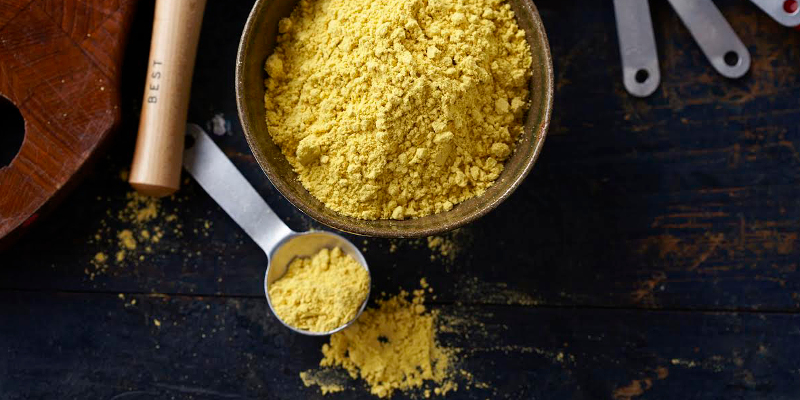
Algae are now an opportunity for bakers who want to respond to the market demand for clean label, natural, non-animal sourced and allergen-free ingredients for their products.
To find out more about using algae as an ingredient in bakery goods, WorldBakers talked to Abigail Dillon, Univar Food Ingredients EMEA.
Univar is a distributor of food ingredients and services across Europe, Middle East and Africa (EMEA). Univar recently announced a distribution agreement across Europe for the AlgaVia brand Whole Algae Ingredients from TerraVia – a company specialized in plant-based food, nutrition and specialty ingredients, including algae-based products.
There are two ingredients in the AlgaVia range: lipid-rich algae and protein-rich algae – Lipid-Rich Whole Algae and respectively Protein-Rich Whole Algae.
The lipid-rich ingredient can reduce and replace eggs and dairy fats in bakery, sauce, beverage, dessert and snack applications. This reduces fat and cholesterol levels of the products, while also giving them “vegan” status. The protein-rich ingredient helps to increase protein content in bakery, snack and beverage products.
Because of the uniqueness of the AlgaVia ingredients (and particularly the Lipid-Rich Whole Algae), it is important for formulators to understand its proper usage, the expert from Univar says.
“TerraVia spends considerable time building up not only our own understanding of the ingredients’ functionalities, but also to help guide our customers when using the ingredients across a range of applications,” according to Dillon.
Four Primary Mechanisms of Action
In bakery/confectionery goods, there are four primary mechanisms of action, the experts says:
1) emulsification, due to the phospholipids and mono- and di-glycerides;
2) full-fat mouthfeel, arising from the interaction of the oil, starches and fibers to create a rich texture and taste;
3) moisture control (especially in gluten-free products), due to the presence of fibers, starches and polysaccharides;
4) egg extension or replacement.
The degree to which each of these mechanisms can achieve different results and benefits will differ depending on use levels, other ingredients in the matrix, and the type of incumbent fat sources being replaced.
TerraVia (then known as Solazyme) first started developing food ingredients about nine years ago, when relevant strains for food and beverage applications were identified. The development specific to the first two commercial food ingredients started five years ago. The company received “no objections” letters from the US FDA in response to GRAS filings (for the Lipid and Protein on June 7, 2013 and December 23, 2014, respectively).
Asked if the flour is safe for consumption for certain categories of consumers (children, persons with allergies), Dillon says the ingredients are free of known allergens and safe to be consumed by people from all age ranges.
The ingredients help food products to reduce fat and cholesterol, remove allergens (e.g. egg) and boost protein levels, all of which can be attributes to good health, the expert considers.