
Profile: United Biscuits Makes a Brand New Move
United Biscuits, the top biscuit maker in the United Kingdom, has been in business since 1948 and is growing internationally. Its McVitie range of popular biscuits has just been re-launched. Andre Erasmus was at the launch and has the details.
Biscuits, in the UK at any rate, are more popular than savoury snacks and this, says United Biscuits CEO Martin Glenn, is because baking instils a sense of trust in the consumer. He must be right. Some seven billion biscuits we consumed in the UK last year, 40 per cent more than savoury snacks and almost double the confectionery consumption.
Roughly, a person in the UK eats or dunks biscuits 107 times a year and 100 million McVitie’s biscuits are eaten every day, according to the Kanter Consumption Panel. That’s two packs of McVitie’s every second!
And the company wants to grow its market share here and globally and, to help this, McVitie’s have been re-launched with a GBP12m multi-media advertising campaign as part of its efforts to accelerate growth for the sweet biscuits category.
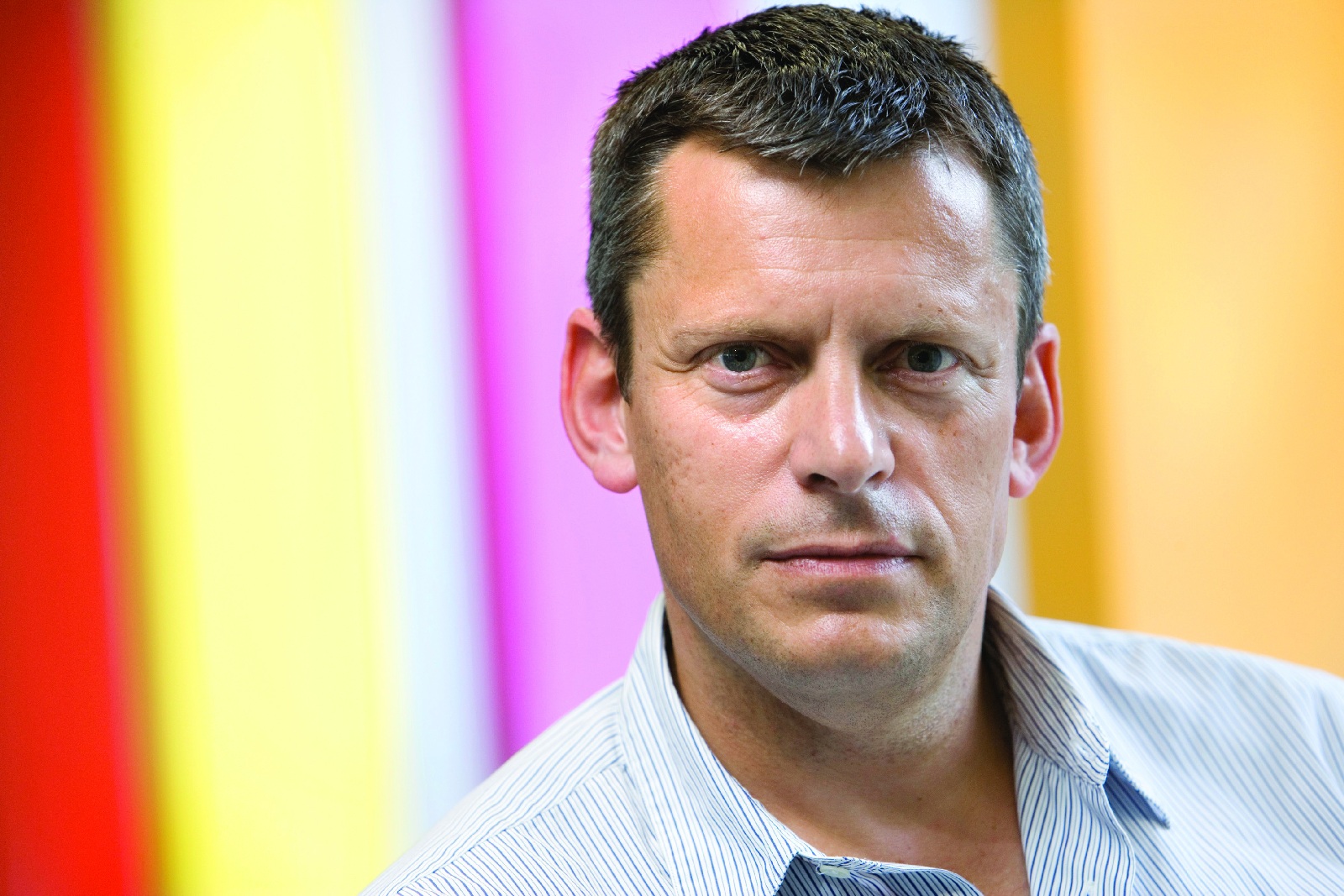 Representing the biggest campaign of its kind for United Biscuits to date, all of the company’s sweet products (with the exception of go ahead!) will now sit under the McVitie’s brand as part an overarching master-brand strategy to help simplify the shopping experience. “Baked not fried is increasing in importance,” said CEO Glenn.
“Biscuits hold a special place in our lives and our aim, simply, is to increase our international sales by 20 per cent over the next three years.” Martin Glenn, United Biscuits CEO
With McVitie’s already a global brand, this should be achievable and the fact that biscuits are eaten at snack time, as a mood enhancer or for a social moment makes them all the more popular, besides the healthier aspect they offer compared to salted snack foods.
Glenn said: “Our master-brand campaign for McVitie’s is the result of 12 months of extensive customer research in which we aimed to get to the heart of the emotional role biscuits play in our lives. “Thanks to the strength of our heritage range, McVitie’s has come to represent 40 per cent of the everyday biscuits market in the UK. The new campaign aims to tap into consumers’ love for these brands as well supporting our efforts to drive growth for the category.”
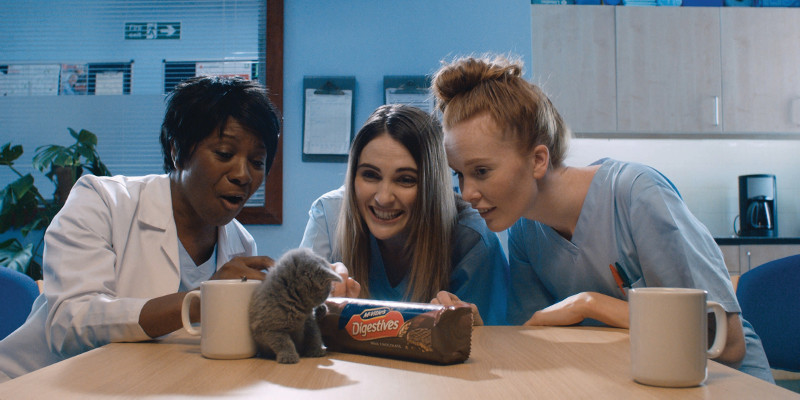
The re-launch was kicked off with three 30 second TV commercials airing in the UK to celebrate everyday biscuit eating moments. The adverts, created by Grey London for UB, were inspired by the insight that something as trivial as the humble biscuit is a powerful and deeply embedded ritual habit in our daily lives.
Animated Brand Campaign
Animal themed, featuring puppies, kittens and the planet’s smallest primate, the Tarsier – for Digestive, Chocolate Digestive and Jaffa Cake respectively – the adverts adopt the strap line ‘Sweeet’, to evoke the same feeling and emotional response to that of eating a simple McVitie’s biscuit.
UB has also changed the design and packaging of the range to support the re-launch and realignment of all sweet products under the new McVitie’s master-brand, through the on-pack McVitie’s wholesome wheat sheaf logo.
This follows the migration to flow-wrap packaging technology for the production of all Digestive brands, as part of a GBP35m investment plan at the company’s factory in Harlesden.
The GBP12 million campaign will continue throughout the year with the 30-second ads being supported by the biscuit maker’s biggest ever in-store, PR, press and online marketing, including a significant push on McVitie’s social media channels and PR.
Jon Eggleston, the UK MD of United Biscuits, said the business was currently making GBP2.6bn annually in the UK, selling around 97 packs a year per household but still planned for further growth with £54m earmarked this year for expanding product capacity in the UK.
Biscuit’s Identity
“Already 99 per cent of households buy our products but we want more penetration.
“The benefit of biscuits is that they are the only snack product applicable for consumption at any time of the day,” said Eggleton.
Sarah Heynen, UB Sweet Biscuits Marketing Director, said: “Imagine a world without biscuits. You can’t. There are literally millions of biscuit eating moments in Britain every day. Biscuits, as a wholesome, baked everyday treat, have been in our lives since the 1830s and the biscuit eating trend continues to grow as we bake new products to add to our heritage range.”
“We’re a nation of biscuit lovers with 99.2 per cent of British households purchasing biscuits in a year. This is amongst the highest penetration of any food category. We knew that our biscuits have a surprisingly important place in people’s lives – people relate to them in very emotional way. We wanted to bring this feeling to life, in a memorable, modern way.
“Baked products should have a bigger market share and McVitie’s is a ‘sleeping giant’ which can achieve a 30 per cent market share in the UK.” Sarah Heynen
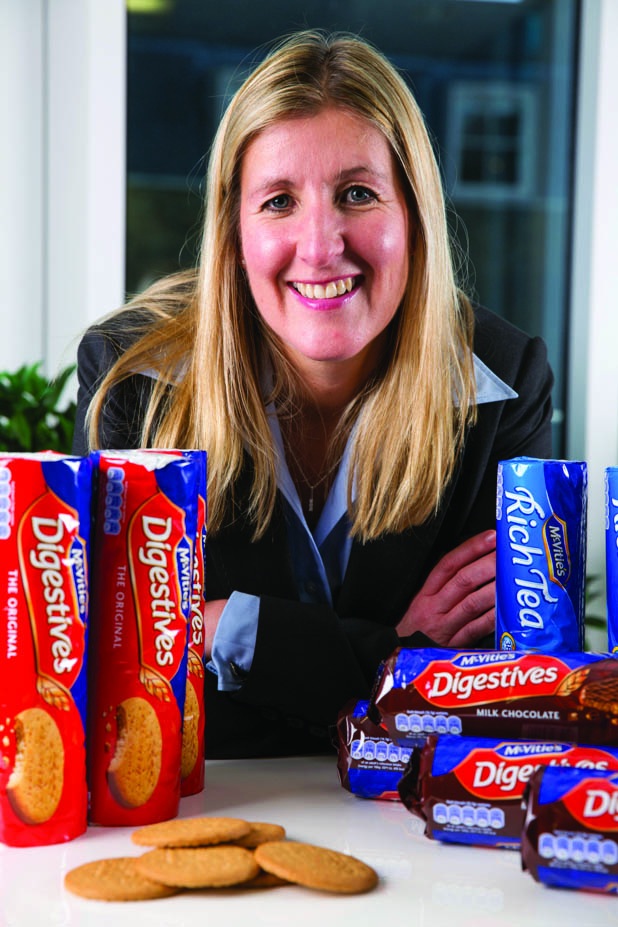 “Baked products should have a bigger market share and McVitie’s is a ‘sleeping giant’ which can achieve a 30 per cent market share in the UK.” Sarah Heynen
“This led to the advertising switch with all sweet products in the UB stable being under the McVitie’s brand and all savoury under Jacobs.”
Making of
United Biscuits is a success story of note. The company currently has 21.5 per cent of the sweet snack market and 18 per cent of the savoury sector. In the UK it employs 5,000 people at seven factories. UB has grown over the years and started acquiring companies from 1967 and among its acquisitions was Verkade, a leading biscuit and confectionery company in the Netherlands in 1990 followed the next year by investment in three leading European biscuit companies: Fazer Biscuits (Finland), Oxford Biscuits (Denmark) and Gyori Keksz (Hungary).
In1993, The Smith’s Snackfood Company, Australia’s leading snackfood manufacturer incorporating a snacks business in Italy was acquired along with further investment in Oxford Biscuits and Gyori Keksz (Hungary) taking UB’s investments to 100 per cent.
By 1994 UB had 70 per cent of Fazer Biscuits (Finland), a 90 per cent investment in San, a Polish biscuit manufacturer and had bought Nibb-It Snacks, a Dutch snackfood manufacturer.
In 1995, the Original Pretzel Company, Australia, was acquired and in 1997 and 1198 further growth came about starting with the acquisition of the French biscuits business, Biscuiterie Nantaise (BN), from PepsiCo in exchange for certain continental European snack operations and the sale to PepsiCo of The Smiths Snackfood Company, for which UB received a net consideration of £241 million.
The next year saw UB’s acquisition of the Continental European Biscuit Business, Delacre, from the Campbell Soup Company for £125m. Delacre has operations in the Netherlands, Belgium, Germany, France and exports to the USA.
In Japan, UB bought out Meiji’s 50% stake of the Meiji/UB venture to form a new company, UB Japan Ltd.
UB acquired certain biscuit operations from German confectionery company, Stollwerck in 1999, receiving Stollwerck’s Hungarian biscuit business and appointing Stollwerck as its sales and distribution agent in Germany.
The next nine years saw some trimming and selling as the focus shifted with HJ Heinz buying most of UB’s seafood business for £190m and several sales, including Jacob’s to Danone in 2000. But this was bought back in 2004.
Currently, UB holds leading or strong number two positions in its core markets of the UK, the Netherlands, France, Belgium and Ireland. Moreover, its brands and products have global appeal. The company has a rapidly growing international business unit serving consumers from North America to the Middle East, Africa, and Australia.