
National Bakery Trends – Belgium
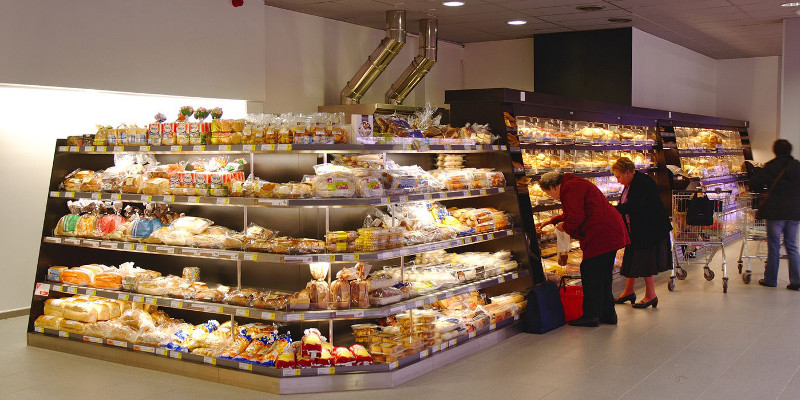
Belgium is one of Europe’s most fragmented markets for baked goods. Leading player Etn Franz Colruyt has less than 4 percent of the market by value, while artisanal and private label output together control over 85 percent of sales.
By Simon Jones
The fast-expanding ISB segment is driving much of the growth in unpackaged bread and cake sales. Belgium’s top three bakers are all supermarket chains. Artisanal output is taking sales from industrial bread and cakes, while within the artisanal segment consumers are shifting from independent stores to the ISBs.
The overall market remains sluggish. While value sales rose 1.5 percent last year to almost EUR3 billion, most of this increase was down to higher unit prices – in turn the result of higher cereal commodity prices. Both volume and value sales are forecast to flat-line over the next few years, with industrial bread recovering some market share.
For all the vigorous belt-tightening, Belgium is yet to suffer real pain from Europe’s financial crisis.
 GDP grew impressively in 2011 as Belgium muddled along for most of the year without an elected government. Pressure for change arrived instead from the EU, which required its Belgian host to bring their budget deficit below 3 percent of GDP. In mid-2012 the coalition announced EUR18 billion savings to cut the budget deficit.
The ‘Belgian Stability Package’ includes action to cap wage increases. Disposable incomes have edged down since 2009 but until now Belgians in work have benefited from wage increases linked automatically to inflation. The bakery sector, along with many other employers, complains that this mechanism drives up wage costs and makes Belgian uncompetitive. Changes to Belgium’s consumer price index aim to limit this link between wages and prices for the next two years.
Consumer confidence slumped through 2012/13 in response to the austerity package and a jump in unemployment following a series of major factory closures. A survey of Belgian employees found them in equally gloomy mood. The economy has stood still at best over the last two years, prompting the all-party coalition to agree a new round of public spending cuts last year. GDP growth may resume in 2014 but at modest levels. The financial sector, a big part of the Belgian economy, remains fragile.
European Baker, May/June issue, will feature the full story on Belgium’s market status and dynamics.
Related articles: