
Healthy Biscuits – Changing the Breakfast Culture or Just Hype?
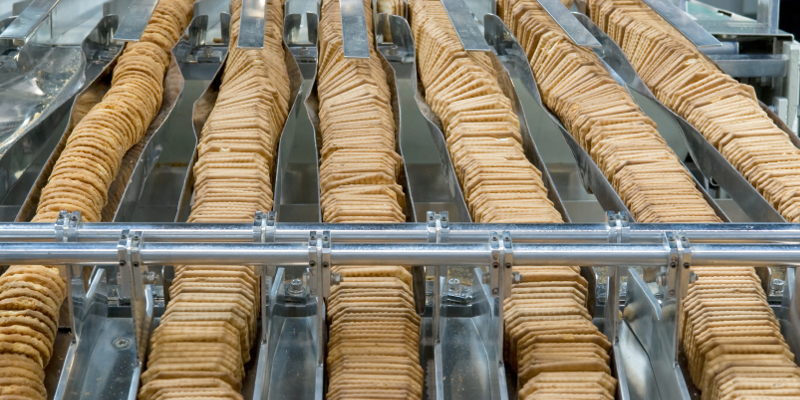
“Breakfast is the most important meal of the day.” But many of us tend to skip it to get a few more minutes of sleep or to make it to work on time. We will grab a coffee on the go, but won’t eat until we find ourselves starving. Food manufacturers recognize this negative trend. They agree that the importance of proper breakfast is not in doubt, but nobody said that we must sit down while eating it.
The solution? Wholegrain, fiber-rich biscuits give us energy to start our day and can be consumed on the go. It is yet to be seen whether this approach to breakfast will change the breakfast culture, or whether it’s just a temporary trend and soon we’ll all be back eating while sitting at the table.
BELVITA
BelVita Breakfast biscuits were the first to bring this idea to the consumers. Mondelēz International, then Kraft Foods, 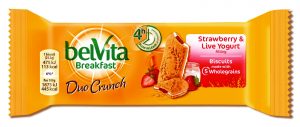 introduced them in Europe in 2010 and two years later in the US. BelVita biscuits were on the market even earlier, but became belvita Breakfast after Hill+Knowlton Strategies, a PR and integrated communication agency, launched them as an ideal breakfast substitute. Before they were advertised just like a sweet treat. The main targets were “breakfast skippers”. The hype began and consumers quickly embraced this idea of breakfast.
The first “real” biscuit called a “Breakfast biscuit” was introduced almost 125 years ago. It was invented by scientist Walter Palmer for Huntley & Palmers, a British biscuit company. One year later they introduced it in France and the demand was so great that they had to build an additional biscuit factory. Huntley & Palmers today no longer exists, but they were acquired and relaunched by Danone in 2004; Danone’s biscuit business was bought by Kraft in 2007, and Kraft is today known as Mondelēz International. So, the breakfast biscuit has come full circle.
KELLOGG’S
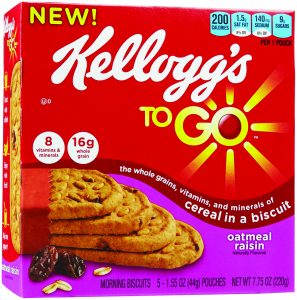 Kellogg’s, one of the top manufacturers of (breakfast) cereals, recognized the growing trend that was replacing their products with biscuits. They quickly started their own breakfast biscuit lines – Kellogg’s Nutri-Grain Breakfast Biscuits, Kellogg’s To Go and Kellogg’sSpecial K Biscuit Moments. The later is an extension of their popular Special K brand and follows the visual code of the core brand.
BRANDS IN THE UNITED STATES
Honey Bunches of Oats is another American brand of cereals that launched its own breakfast biscuits. They are owned by Post Foods. They introduced “moving breakfast out of the cereal bowl” just two weeks ago, in March. They are available in three varieties: Honey Roasted, Strawberry and Chocolate Chip. They adopted the biscuit shape and applied their version of the rising sun.
BRANDS IN THE UK
McVitie’s Breakfast biscuits are made as a direct response to the new competitors. Before the breakfast range, United Biscuits brands like McVitie’s Digestives and HobNobs were eaten for breakfast, among other occasions. They launched a small range of products named McVitie’s Breakfast just to have a presence in this newly established niche. But, since the launch in 2012, they have gone into a redesign of the packaging visuals, which is a move that shows the company’s investment in the further promotion of this range. On the first iteration of the name McVitie’s, the logotype was the emphasized element and “Breakfast” floated right below it. In the new version, “Breakfast” got the same strong background shape and color as the main brand, and became almost the most important element.
REST OF THE WORLD
Even in Italy, where the majority of the population ate biscuits for breakfast for decades before this current trend, some 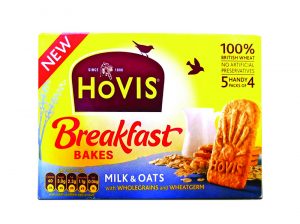 manufacturers launched a breakfast version as defined by belVita.
For Italian consumers, Mondelēz launched Vitasnella Cereal Breakfast. In Italy, they flipped the story. In the US, cereals are common breakfast food and are being replaced with biscuits, so they had to emphasize “breakfast biscuits”. In Italy, where biscuits are a traditional choice for breakfast, “biscuits” in the brand name is replaced with “cereal”, almost as though they are preparing the market for the possibility of selling the consumers more cereals later on.
You can read the complete story in the latest issue (Spring) of our print magazine Biscuit World!