
Peak Snackification
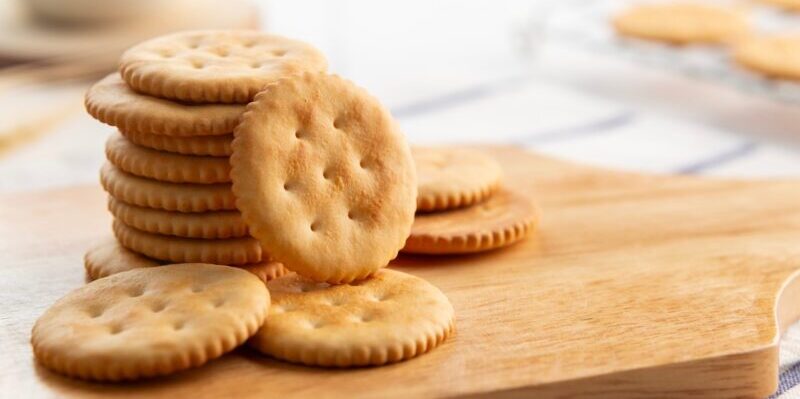
The endearing popularity of biscuits as a snack food is keeping demand levels high. May they be full sugar, gluten free, double baked or high protein, biscuits are highly adaptable to every food trend out there and that gives them an unparalleled market advantage.
By Jonathan Thomas
Biscuits (both sweet and savoury) continue to occupy a strong position in the global snack foods industry. Snacking remains as popular as ever – according to the sixth edition of Mondelez’s State of Snacking report (which surveyed the opinions of 3,785 adults in 12 key markets), 91% of respondents claimed to snack at least once a day. This figure compares with 63% who claim to snack at least twice and 31% who eat snack foods at least three times during the day. For 62% of respondents, the preferred option is to eat many small meals during a typical day, instead of a few large ones. This is especially true for younger consumers such as millennials and those belonging to Generation Z, for whom the percentage figure rises to 71%. Furthermore, 66% of respondents stated that they could not envisage life without snack foods, while over half (53%) claimed to be snacking more compared with 12 months previously.
The research identified a few key motivations for snacking. One was the desire for indulgence, with 77% claiming that snacks were one of their few treats in their daily lives. For 87%, life was more fun with a bit of indulgence from time to time, while 80% claimed that snacking was a way of treating themselves after a productive day – this figure rose to 85% for millennials. Despite this widespread desire for indulgence, however, the research did identify some key health concerns. The percentage of respondents actively seeking portion-controlled snacks amounted to 69% in 2024, up from 65% in 2019 but down from a peak of 71% in 2021.
According to the Mondelez research, two-thirds of consumers worldwide claimed to snack on biscuits and/or cookies in 2024, up from 61% the previous year. At 87%, the percentage of respondents falling into this category was highest in the Philippines, ahead of India (84%), Brazil (72%), the UK (71%) and Indonesia (71%). At the other end of the spectrum, the percentage of people regularly snacking on biscuits and cookies was lowest in countries such as Germany (50%), France (59%) and China (59%).
Although sales of both sweet and savoury biscuits have held up well throughout much of the world, the market does face certain challenges. One of the most pressing is concern over the health profile of many types of biscuits, specifically their sugar, sodium and calorie content. In the UK, for example, restrictions have been in place since 2022 governing the in-store and online placement of foods classed as being high in fat, salt and sugar (HFSS). In October 2025, restrictions on volume price promotions for these foods (e.g. ‘buy one, get one free’ offers) were introduced, followed by a clampdown on television and online advertising at the start of the following year. This has led many manufacturers to reformulate their biscuits with the reduction or removal of ingredients linked with poor diets.
Another issue facing producers at present is the rising cost of many of the key ingredients used in the manufacture of sweet and savoury biscuits, such as wheat, vegetable oils and cocoa. Although the global wheat harvest reached a record high of more than 842 million tonnes in 2024, the deteriorating global political situation and disruptions in the supply of fertiliser are driving up prices. Elsewhere, the global price index for vegetable oils reached its highest level for almost four years in February 2022, with prices especially high for varieties such as palm, rapeseed and soyabean oils. This, too, was largely attributed to the tensions in the Middle East and their effect on crude oil prices.
Sweet Biscuits
Products coated or flavoured with chocolate continue to account for a sizeable percentage of the global market for sweet biscuits and remain popular throughout most of the world. In the UK, for example, sales of chocolate-flavoured biscuits within the anytime treats category were worth GBP509m in 2024. However, escalating cocoa prices have forced some biscuit manufacturers to reformulate their recipes to keep production costs down. In the UK market, leading brands such as Blue Riband (which is owned by Nestlé) and Penguin and Club (which are owned by pladis) are now classed as chocolate-flavoured rather than chocolate products, as they contain less than the required minimum for cocoa solids.