
Professional training: putting theory into practice
In Asia, like in other developed markets, the baking industry has evolved from small, craft-based businesses run by artisans making products by hand into large, highly mechanized plant bakeries manufacturing large volumes of products. In many countries, bakery education tends to lead to stand-alone qualifications.
By Andrew Hughes, Senior Bakery Technologist, Campden BRI
In small bakeries, staff is often trained by supervisors or colleagues with many years’ experience in baking and ingredient usage. In large bakeries, processes are often mechanized using PLC systems and the requirement for skills is considered less important. Staff members are often not trained in bakery skills and are employed to do repetitive tasks. They may have little knowledge of the whole process, the effect of ingredients on the process, or on the final baked product.
Artisanal bakeries are normally set up to produce and sell products which are made fresh daily, with quality checks being carried out as part of the process. Large plant bakeries operate at high throughputs and usually have products with a longer shelf life. In these establishments, issues such as product consistency and shelf life are often the main drivers. Recipes and processes are documented which require less decision-making by production staff. This lack of knowledge can result in variable quality when equipment breaks down or there are forced stoppages in the process.
Over the last few decades, baking processes have changed and new ingredients have been developed to speed up methods of production or improve the taste, texture, and shelf life of bakery items. This has increased the pressure on manufacturers to ensure that their staff are better trained in both artisanal and plant bakery processes. In a competitive financial world, training staff would make the difference between a profitable business and one that struggles.
You can read more in the latest issue of our print magazine Asia Pacific Baker & Biscuit!
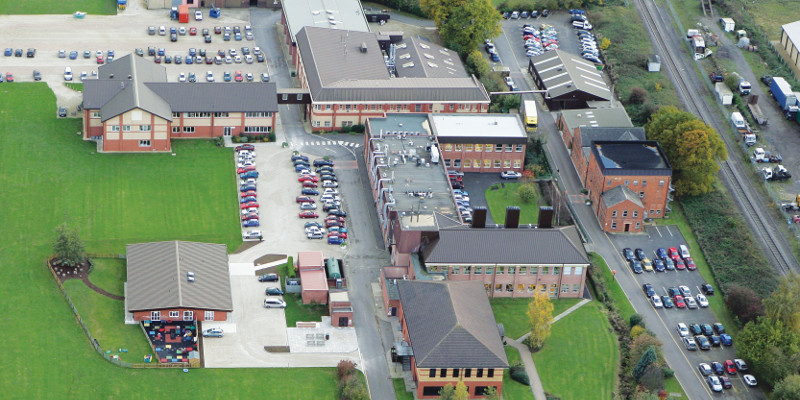
Photo explanation: The Campden BRI facility in Gloucestershire incorporates 3,000 sqm of laboratories