
Leaving Baking to the Robots
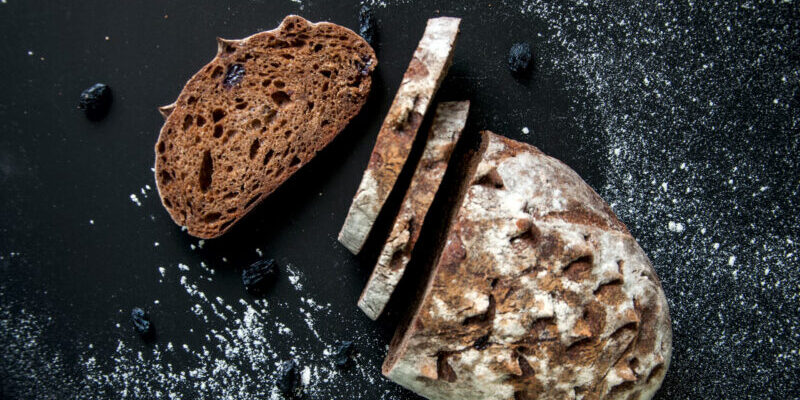
Suppliers of artisanal bread are increasingly discovering the benefits of automated production. For artisanal bread, specialist automated baking equipment allows bakeries to balance traditional techniques with modern production methods to preserve its handcrafted image. As many consumers who buy into the artisanal bread category have high expectations regarding product appearance, texture, quality, etc., they are likely to turn away from products which have an ‘industrialised’ look and feel. So bakers must walk a fine line.
By Jonathan Thomas
Bread itself remains an important dietary staple for much of the global population, with almost 80% of the world’s people purchasing bread on a regular basis. Consumption is highest in the world’s more developed nations, where it is more readily available, disposable income levels are higher and bread forms part of the local culinary heritage. Recently, consumption of bread appears to have recovered in regions such as Europe, following a period of either static or declining sales. This was due to consumer fears that many products were unhealthy or contained high levels of salt or calories, as well as the rising prevalence of gluten-free diets.
Per capita consumption of bread amongst the world’s population is currently estimated at 26 kg. By region, consumption is highest in parts of the world such as Europe (especially Eastern Europe), the Americas and the Middle East. As can be seen from the data below, per capita consumption of bread is highest in Turkey, at around 200 kg. This figure decreases to between 130 kg and 135 kg in both Serbia and Bulgaria.
Other leading countries within the Western European region include Ireland (68 kg), the Netherlands (60 kg), Germany (57 kg), Finland (55 kg), Sweden (54 kg) and France (50 kg). Per capita consumption of bread is considerably lower in other western countries such as the UK (37 kg) and the US (17 kg) and declines to around 6 kg in China and less than 2 kg in India. Recent data suggests that bread consumption is mainly skewed towards males, older consumers and those inhabiting smaller households of two or fewer people.
In parts of the world such as Europe, bread is predominantly eaten at mealtimes, rather than as a snack. For example, around two-thirds of the world’s population regularly eats it for breakfast, while it is also popular during lunchtimes when it forms the basis of various types of sandwiches. At the retail level, bread tends to be sold in either fresh or packaged format, with penetration of the former having been boosted by the ongoing development of the in-store bakeries (ISBs) sector. In these instances, bread is usually supplied part-baked to outlets such as supermarkets and hypermarkets, before being finished on the premises and then sold to consumers. Other drivers in the market include growing demand for bread offering functional health benefits (e.g. products enriched with additional ingredients such as protein or fibre) and rising interest in more premium varieties of bread.
Artisanal & Speciality Breads
One of the most dynamic performers within the global bread industry is the market for artisanal and specialty products, which tend to command higher prices than their more standard equivalents. Artisanal-style producers such as craft bakers which specialise in this sector have always maintained a strong presence within many European bread markets. France, for example, is home to more than 35,000 bakery businesses, a number which compares with over 25,000 in Italy. Elsewhere, the number of bakery businesses in Germany has decreased in recent years, having fallen from around 9,600 in 2022 to less than 9,000 as of 2025.
Plant or industrial bakers are believed to account for between 40% and 45% of the European bread market, a figure that rises to more than 80% in the UK. Most of the remainder is made up of craft and/or artisanal bakers, while in-store bakeries (ISBs) are also a growing feature of the market throughout parts of Europe – in the UK, for example, they now account for over 10% of all bread sold. The share of the market taken by craft and artisanal bakers is generally highest in countries where the tradition of buying bread fresh on a regular basis is strongest. This includes western countries such as France, Italy and Spain, as well as places further east – examples include Bulgaria, Romania and Turkey.
According to Coherent Market Insights, the global market for artisanal bakery goods was worth USD12.5bn in 2025. Market value is projected to increase by an annual average of almost 8% in the years leading up to 2029, reaching nearly USD20.9bn. Traditional artisanal and craft bakeries accounted for around 44% of the total market in 2025, while gluten-free products maintained a share of nearly 40%. By region, the Asia-Pacific countries accounted for a leading 42% of the market in 2025, ahead of Europe (29%). One of Europe’s largest markets for speciality and artisanal bread is the UK, where sales were valued at around GBP190m in 2024, up by 8% from the previous year.
Much of the current market growth has resulted from the consumer desire to reconnect with culinary heritage and traditions, as well as a greater interest in the range of different tastes, flavours and textures available. The market has also benefited from the widening range of artisanal breads available to consumers in European countries such as the UK. Although the market is still largely dominated by varieties such as baguettes, ciabatta, focaccia and rye bread, greater consumer exposure to foreign cuisines is driving demand for bread recipes sourced from elsewhere in the world.
Another type of specialty bread which is finding favour throughout Europe at present is sourdough. Much of this can be attributed to its perception as an especially healthy form of bread – in the UK, for example, research from Lesaffre (a provider of bakery solutions such as yeast) found that 60% of consumers consider sourdough to be inherently healthier than everyday bread, while 52% are attracted to its unique taste and texture. Sourdough bread is believed to offer improved digestibility and enhanced gut health as it undergoes slow fermentation during the baking process, which also creates prebiotics. It also has a lower glycemic index, thereby offering improved satiety.
The market also features bread with additional ingredients or what are sometimes termed ‘inclusions.’ According to research from Delifrance, UK sales of inclusion breads via ISB channels increased by 6% in the year ending September 2025 and now account for 20% of loaf sales within this category. Although cheese is the most popular inclusion ingredient for speciality bread in the UK, various ingredients from Mediterranean cuisine (e.g. olives, sun-dried tomatoes, rosemary and oregano) are well-represented. As the market has developed, ingredients from other cuisines such as Indian and Tex-Mex have also started to appear – examples include paprika, cumin, chilli and jalapeno peppers.