
Cigi Study Shows How Pulse Variety Influence Baked End Product
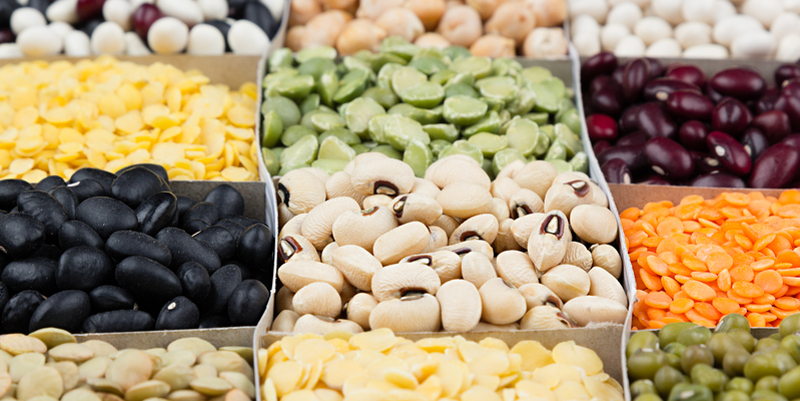
Pulse variety and growing location can have an impact on end-product quality, according to a Cigi study, suggesting attributes that are important to the food industry should be considered in the development of new pulse varieties.
Peter Frohlich, Cigi manager of pulses and special crops, says results from the first year of a Genotype and Environment (GxE) study of pulses from the 2016 crop year revealed differences between varieties that affect product quality. He presented the findings at the annual Prairie Grain Development Committee (PGDC) meeting.
The study is part of an ongoing project investigating the composition and functional characteristics of pulses in baked products, with in-kind support and funding for equipment from the U.K. bakery Warburtons and additional funding from Saskatchewan Pulse Growers, Manitoba Pulse and Soybean Growers, Western Grains Research Foundation and the governments of Canada and Manitoba. The project also includes investigation of the effects of pre-and post-milling treatments, pre-ferment technology, particle size and storage time on the quality, functional, characteristics and flavor of pulse flours.
Pulses in the GxE study included yellow peas, beans, lentils and chickpeas. Frohlich explains that a number of pulse varieties were grown at different locations in Manitoba and Saskatchewan then milled into flour and analyzed for composition and functional properties. The flours were then each blended at 20% with wheat flour and analyzed for rheological properties, baked into bread, and evaluated for processing and quality characteristics such as color, cell structure and loaf volume. This was followed by sensory evaluation of the pan bread products.
Frohlich says that, for example, flour protein tested from three different varieties of yellow peas was lower at one of the growing locations. “This information is of importance because if food processors want peas with the greatest amount of protein they will be able to pick the best growing location.”
Adding pulses, which are high in protein and fiber, to wheat-based food products enhances nutritional value, which can attract consumers and create opportunities for pulse ingredients and food manufacturers.
A trained sensory panel rated bread made with three yellow pea varieties. The panelists tested the effect of genotype on appearance, aroma, pulse flavor, bitterness, sweetness, aftertaste and overall acceptability.
Flour from four navy bean varieties grown in three locations in Manitoba showed significant effects of GxE interactions on all bread quality characteristics including particle size, protein, starch, cell diameter (structure of the bread crumb) and bread volume. A trained panel also evaluated the sensory properties that were not significantly affected by genotype or environment. These results were presented in a research poster ‘Influence of Genotype and Environment on Flour and Bread Baking Properties of Navy Beans’ at the CropConnect 2018 conference in February.
The second year of the project has begun on samples from the 2017 crop year, which will be evaluated and then compared to results from the 2016 crop. The project runs to March 2019.