
Freezing Process to Reshape the Bakery Market
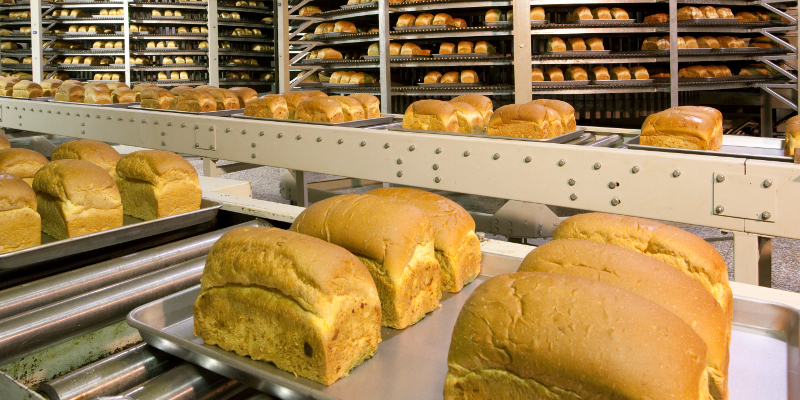
The freezing process is reshaping the bakery market and is a trend that will continue to grow, even more so as large cities are continuously expanding, making it a fantastic business opportunity according to Oliver Sergent, CEO of the global equipment manufacturer Mecatherm, who gave an interview for Asia Pacific Baker.
The frozen bakery is a significant section of the food processing sector worldwide. Oliver Sergent of Mecatherm forecasts that the sector is set for strong future growth, as shown in the presentation, “How the frozen process is changing the bakery market”, held at the Bakery Innovations Summit recently held during Gulfood Manufacturing in Dubai (November 9-11).
The frozen bakery has already changed the market and is set to increase at a compound annual growth rate (CAGR) of 7.1 per cent through 2018, when it is expected to reach a value of USD 32,505.2 million globally. The segment includes a vast range of bakery products, such as croissants, crusty products, burger buns, Danish pastries, brioches, cakes, bagels and muffins. As Oliver Sergent explains: “The question is not how it will change the market, but how it will keep on changing the market.”
Crusty, Delicious Bread
Out of the generous array of baking possibilities that can and will benefit bakeries from integrating freezing in their processing methods, bread is undoubtedly the universal common denominator in terms of foodstuffs.
Commonly found on shelves everywhere in Europe, parts of Africa, the Americas, the baguette is rapidly making its way onto markets all over the world through franchises, for example Paul, Bread Talk and Subway, all of whom are expanding “baguette messengers”, offering these breads as sandwich options throughout Asia.
The market for this product is huge and so is the demand for quality, especially since bread is a difficult product to texture and has long processing times, ranging from 3.5 hours up to 10 hours: from mixing, which can take from 30 minutes, to make-up (another 10 minutes at least), proofing (120 minutes), baking (20 minutes) and cooling (30 minutes). The challenges do not end here, either; good bread demands the perfect ingredients and the perfect process control and includes all factors throughout the production chain such as temperature and humidity, among others. It also requires production continuity, which can be problematic when producing fresh bread.
“We estimate that 20% of bread is lost because of these problems worldwide,” according to Mecatherm.
The Economic Angle
Bread waste is an economic issue in more ways than one. It is not by accident that, in many countries, people are showing bread when participating in economy-related protests, as in examples illustrated by Mecatherm. Whether an economic or a political issue, there is a real demand for the perfect bread supply chain and the challenges related to this area are numerous. Bread has to be cheap; on the other hand, bakers need to make money – and equally important, bread has to be healthy, without “special additions” that may be damaging to people’s health.