
Ancient Grains Are New Trendsetters
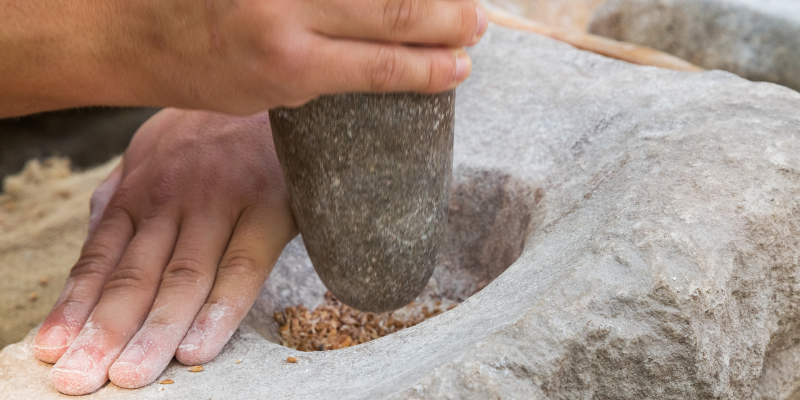
We have all heard of millet, spelt and sorghum. They are, perhaps, not grains we knowingly use or consume on a regular basis.
Given the ongoing interest in healthy eating, it is worth noting that many ancient grains (which include millet, spelt and sorghum) are gluten-free and extremely versatile.
So, while us modern folk think we have improved things given our skills and technology, spare a thought for the wise old Aztecs, Greeks, Romans, North Africans and even the lesser-known Himalayan Hunzas.
Did you know, for instance, that Greeks and Romans offered spelt to the gods; Aztecs considered chia seeds worthy of tribute, and farro is noted in the Old Testament?
Let’s look a bit deeper at the health aspects of some of these grains. Amaranth is a tiny Peruvian grain that is high in protein and offers all the essential amino acids our bodies cannot make. It’s a complete protein, like meat, poultry, and eggs. And as it is, technically, a seed, it’s naturally gluten-free, and a perfect addition to vegan and gluten-free diets.
Millet was Asia’s staple grain before rice more than 10,000 years ago. It is gluten-free and high in antioxidants and magnesium. Research suggests these may help prevent and manage high blood pressure, heart disease, and diabetes.
Spelt, too, is an ancient grain which was cultivated by earlier civilizations such as in Mesopotamia in the Middle East around 9000 years ago. In Britain it is first known to have existed as a main crop 2000 years ago. It is high in fiber and is a good source of iron but does have gluten. Unlike common wheat, spelt has not been hybridized or chemically altered, and it remains as simple and hardy as it was when it was first introduced.
Sorghum hails originally from Africa and is a staple in Asia and Africa. It is now grown in many countries, including the United States, India, and Nigeria. In terms of its nutritional value, sorghum is high in fiber, protein, and B-complex vitamins. It is often used in place of conventional wheat.
Then there is teff. If you’ve ever tried Ethiopian food, you have had teff, which is used to make their ‘injera’ bread. Teff is high in calcium and can also help with weight management. It’s rich in a type of fiber called ‘resistant starch’, which helps us feel more satisfied as it feeds our healthy gut bacteria, and does not raise blood sugar levels.
Millet is an alkaline, complex carbohydrate and prebiotic, and is a staple of the Himalayan Hunzas, who have superb health and longevity. The grain also contains serotonin for stress, niacin for cholesterol, and magnesium for migraines. Composed of 15 per cent protein, millet is an excellent way for vegetarians and vegans alike to obtain sufficient protein requirements. It contains antioxidants, is gluten-free and hydrates the colon to ease constipation.
In a nutshell, then, ancient grains are more than just relics from the past. They are cereals and seeds that have a robust texture and stellar nutritional profile, that have stood the test of time.
I don’t know about you, but this tells me that the people way back knew a lot. It seems to have taken us a long time to realize this!