
FDF: UK Food Manufacturers Face a Challenging Period after Brexit
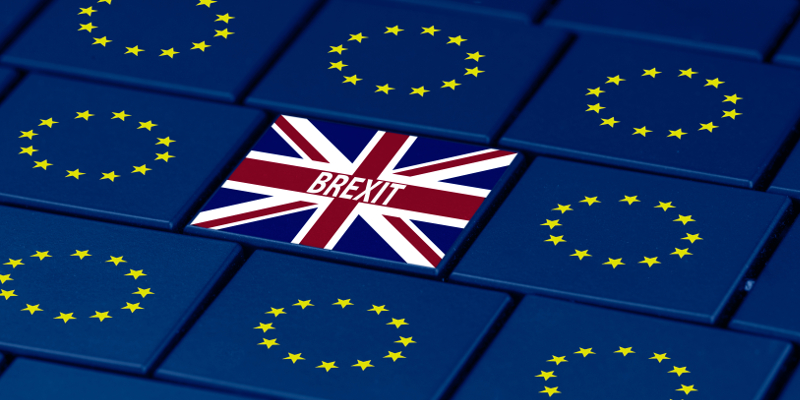
UK food manufacturers face a “very challenging period” in the wake of the country’s decision to leave the EU, trade body the Food and Drink Federation (FDF) said.
Some 51.9% of UK voters backed a so-called Brexit in the vote. In early trading, sterling fell to a 30-year low against the US dollar.
Ian Wright CBE, director general at FDF, the voice of the UK’s largest manufacturing sector—food and drink—responds to the vote to leave in the UK’s EU referendum.
Wright said: “In March we released the results of a poll of our members, which showed 70% support for Britain to remain in the EU. It’s inevitable in the light of those results that the majority of FDF members will regard this as a disappointing result for the food and drink industry. Now FDF will work on behalf of our members and all those across our industry to find a way through this very challenging period that we face. We’ll focus on working with the government to understand what this means for trading, market access and regulation to secure the best outcome for British food and drink manufacturing business and their customers.”
David Thomson, CEO of the Scottish Food and Drink Federation (SFDF) said: “In Scotland it also raises the chances of there being a further referendum on independence. This risks more uncertainty for the businesses in both Scotland and the rest of the UK. SFDF will work to help the industry find a way through this very challenging period that we face.
“We’ll focus on working with the UK and Scottish governments to understand what this means for trading, market access and regulation to secure the best outcome for Scottish and British food and drink manufacturing businesses and their consumers.”
UK Prime Minister David Cameron also announced his resignation.
A “Momentous Significance” for UK Food
In a report called Food, the UK and the EU: Brexit or Bremain? Professor Tim Lan from City University, London, and Victoria Schoen of the Food Research Collaboration (FRC) claimed that both consumers and businesses will be affected by a vote to leave the EU. This is a deviation from what the authors describe as the real task of getting the UK food system to be more sustainable, from production to consumption.
The authors say that the decision to leave could lead to food imports becoming more expensive, prices increasing and possible major disruptions to the finely tuned just-in-time supply chains on which the UK food system now depends.
With such price increases for imported goods, the report suggests there could be consequences for the consumption of foods that the UK relies on EU nations to produce. For example, nearly 40% of the UK’s total food supply of fruit and vegetables comes from the EU and nearly 55% of its pig meat.
The authors express concern about the health implications of Brexit, as diet now accounts for 10.8% of the nation’s total disease burden (compared with 10.7% for tobacco).
According to the report, the UK is about 60% food self-sufficient so should be wary of instant independence from the EU.
The authors also warn of a potential “food service and food factory crisis” if EU labor working in those industries lost their freedom of movement in the UK—figures show EU employees make up more than a quarter of the food manufacturing workforce (26.9%) and a tenth of workers in food and beverage services (11.3%). This compares with 6.1% across the UK economy as a whole.