
FDA Advises American Consumers Not to Eat Raw Dough
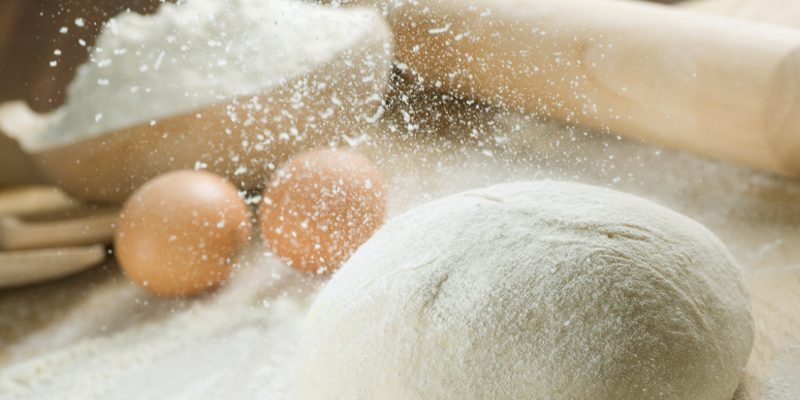
Jenny Scott, senior advisor at the U.S. Food and Drug Administration’s (FDA’s) Center for Food Safety and Applied Nutrition, advises that eating raw dough or batter—whether it’s for bread, cookies, pizza or tortillas—could make people sick.
Regardless of the brand, flour sometimes contains bacteria that can cause disease. The FDA, along with the Centers for Disease Control and Prevention (CDC) and state and local officials, is investigating an outbreak of infections that illustrate the dangers of eating raw dough. Dozens of people across the U.S. have become ill after contracting a strain of bacteria called Shiga toxin-producing E. coli O121.
The investigation found that raw dough eaten or handled by some of the patients was made with General Mills flour produced in a facility in Kansas City, Missouri. The FDA’s subsequent tests linked the bacteria in a flour sample to bacteria from people who had become ill.
General Mills voluntarily recalled 10 million pounds of flour sold under three brand names: Gold Medal, Signature Kitchens and Gold Medal Wondra. The varieties include unbleached, all-purpose and self-rising flours. Some of the recalled flour had been sold to restaurants that allow children to play with raw dough while waiting for their meals; the CDC now advises restaurants not to give customers raw dough.
People often understand the dangers of not eating raw dough due to the presence of raw eggs and the associated risk of Salmonella. However, people should be aware that there are additional risks associated with consuming raw dough, such as particularly harmful strains of E. coli in a product like flour.
“Flour is derived from a grain that comes directly from the field and typically is not treated to kill bacteria,” says Leslie Smoot Ph.D., a senior advisor at the FDA’s Office of Food Safety and a specialist in microbiological safety of processed foods. So, if an animal heeds the call of nature in the field, bacteria from the animal waste can contaminate the grain, which is then harvested and milled into flour.
Common “kill steps” applied during food preparation and/or processing (so-called because they kill bacteria that cause infections) include boiling, baking, roasting, microwaving and frying. But with raw dough, no kill step has been used.
Don’t make homemade cookie dough ice cream either. If that’s your favorite flavor, buy commercially made products. Manufacturers should use ingredients that include treated flour and pasteurized eggs.
Who Is at Risk and What Are the Symptoms?
Common symptoms forShiga toxin-producing E. coli are diarrhea (often bloody) and abdominal cramps; most people recover within a week. But sometimes symptoms can last longer and be more severe, resulting in a type of kidney failure called hemolytic uremic syndrome (HUS). HUS can occur in people of any age, but is most common in young children under five years, older adults and people with weakened immune systems.
The FDA Offers these Tips for Safe Food Handling
Do not eat any raw cookie dough, cake mix, batter, or any other raw dough or batter product that is supposed to be cooked or baked.
Follow the package’s cooking directions for products containing flour at proper temperatures and for specified times.
Wash hands, work surfaces and utensils thoroughly after contact with flour and raw dough products.
Keep raw foods separate from other foods during preparation to prevent any contamination. Be aware that flour spreads easily due to its powdery nature.
Follow the label’s directions to chill products containing raw dough promptly after purchase until baked.