
Research: Understanding Sensory Perception of Fat
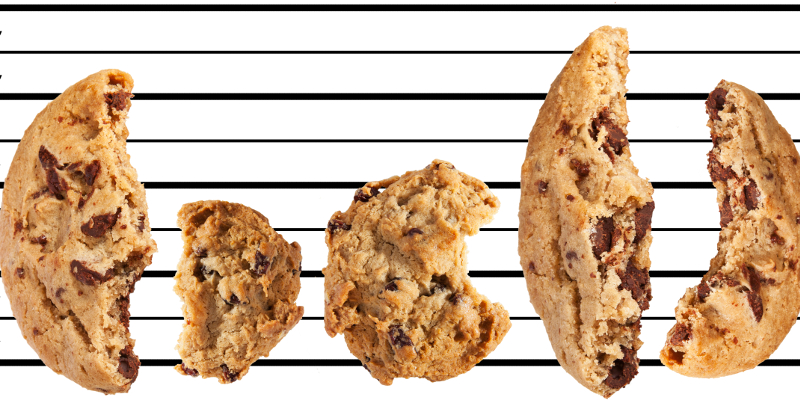
Our knowledge of fat perception is really only the ‘tip of the iceberg’. Understanding more about how consumers perceive fat from a sensory perspective holds the key to successful product innovation and reformulation.
By Silvia Peleteiro, Leatherhead Food Research
Fats give food and drink products particular sensory characteristics, because they act as texturizers, lubricants and aroma carriers, thereby playing a significant role in the appearance, texture and flavor of products, for example:
Appearance: fat creates a glossy or moist visual texture. It also contributes to the browning process, giving an appealing golden brown color to many foods such as bread and some baked products.
Texture: fats impact the texture of foods, giving the sensation of creaminess, softness, melting in the mouth, juiciness and thickness. They are important for obtaining a tender and flaky baked product, for example, in biscuits or pie crusts. Fat also provides a lubricating mouthfeel and is an essential component of emulsions (mixtures of two liquids that are normally immiscible, for example, oil and water).
Flavor: fat can absorb and preserve flavors. It is, for example, possible to infuse aromatic herbs in oil. There are also many flavor compounds which are only soluble in fats. It can also impact the nutritional content of products, for example, where fat-soluble vitamins are concerned.
Is fat the sixth basic taste?
Our sensory perception of fat is a complex process because it involves all of our senses (sight, hearing, touch, smell and taste). Fat perception varies from individual to individual. It is known that people who are classified as ‘supertasters’ (classified by their responsiveness to a bitter compound called 6-n-propylthiouracil, or PROP for short) taste fat in a different way to medium or non-tasters. In particular, there is evidence that supertasters perceive texture and creaminess differently from other tasters. In fact, the way we taste fat is so complex, it could even be classified as a sixth basic taste in addition to sweet, salty, sour, bitter and umami. A recent study demonstrated that medium and long-chain nonesterified fatty acids (NEFA) have a distinct sensation, called ‘oleogustus’.
Replicating the sensory experience of saturated fats
Fats are broadly divided into four groups: monounsaturated fat, polyunsaturated fat, saturated fat and hydrogenated trans-fat. The majority of public health guidelines recommend consumers reduce their intake of saturated fats to reduce incidence and mortality of cardiovascular disease.
Removing saturated fats from products presents many reformulation and sensory challenges. Saturated fats give structure, texture and stability to products. A like-for-like substitution with unsaturated fatty acids is not normally possible, because this leads to textural changes. Where this is done, carbohydrates or proteins are typically added to restore texture.
The oily sensation that fats give to foods is difficult to obtain with other ingredients. Research has been done on the oiling properties of proteins and fibers, but a greater understanding of how fats are perceived on the tongue is needed to help in developing fat alternatives.
Product developers also have to find ways to replicate the way fats act as flavor and aroma carriers. In terms of flavor release, the main issue is not the flavor intensity, but the time release of flavors that is particularly difficult to reproduce (when a flavor is released during consumption).
You can read more in our print magazine Asia Pacific Baker & Biscuit (Autumn 2016)!