
Plant-based Alternatives: Bet on Nature
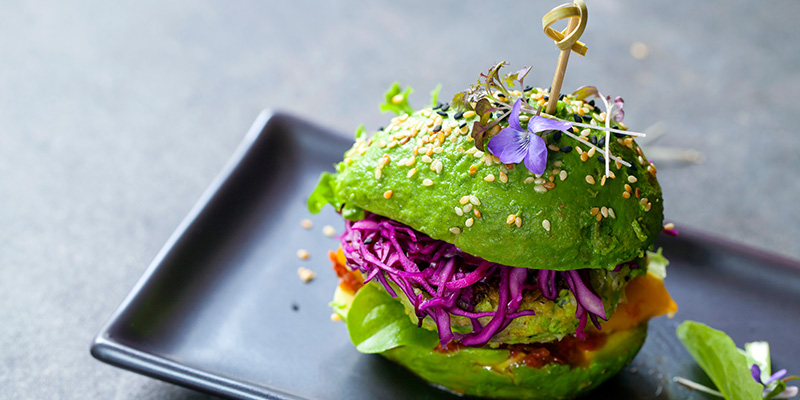
A trend only accelerated by the pandemic, the preference for plant-based ingredients skyrockets as plant power is recognized throughout eating occasions and is becoming a social-media darling. What does this mean for a cereal-based industry? Functional, nutritional, and natural ingredients all around.
The plant protein market was valued at USD36.5bn in 2018 and is poised for growth up to USD46.4bn by 2023, according to data shared by Lesaffre’s Biospring. The plant-based trend is now nothing short of a revolution in food, bakery included. Innova Market Insights identified it as one of the main trends of the year, a forecast that completely checks out in October. And that’s not all: it also drives the clean label narrative in an important conversation in the last several years.
Producing plant-based foods requires a certain amount of tolerance in production. Wheat proteins help to build critical structure but can also enhance rheology. Taste and texture are key contributors to consumer purchase and preference in plant-based foods. Wheat proteins have an easy neutral flavor, allowing the desired flavoring of your product to shine. Texture is a key preference factor and a point of differentiation. “Various textures are possible with the full range of wheat proteins. In fact, you can dial in on specific textures by selecting certain wheat proteins. For example, more elastic wheat proteins contribute to a firm, crunchy texture, and more soluble proteins will contribute to a more tender bite,” Mandrila Group USA also emphasized in a presentation.
Market research experts are forecasting a long-term trend evolution towards higher expectations in terms of quality, as well as increased awareness of added health benefits and environmental compatibility.
- To develop baked goods that are entirely plant-based, wheat is the foundation; however, other ingredients must find their same-role stand-ins. Among popular requests, AGRANA Starch has been providing clean-label(!) solutions replacing eggs, for example. “AGENOVUM® is a vegan egg substitute based on wheat and corn. It is suitable for many applications such as pastry, pancakes, biscuits, spaetzle and crispy breading, available also in organic quality. This is vegan protein power made in Austria!” Tatjana Figl-Wolfsberger, AGRANA Starch – marketing, detailed for us.
- High-quality vital wheat gluten is also high on plant-based shopping lists, and for good reason: “Vital wheat gluten has high water absorption properties, improves visco-elasticity and binding and, therefore, dough stabilization. Moreover, it boosts resistance in puff and frozen pastries. With its meat-like, fibrous texture wheat gluten is an ideal meat alternative – especially in combination with trendy bakery products.”
- Fiber improvement is also in demand when formulating to develop plant-based goods; due to the increasing emphasis placed on gut health, a high-fiber content in snacks and bakery goods will continue moving into the focus. “Potato fiber has well-developed water-binding properties and texturizing characteristics,” points out Figl-Wolfsberger. The insoluble fiber retains moisture, slows staling, enhances mouthfeel and increases shelf life. A high-fiber content claim may be indicated on the label. Agrana launched the first „organic“ potato fiber on the market.
You can read the rest of this article in the September – October Issue of European Baker & Biscuit magazine, which you can access by clicking here.