
Gen Zs Want More Sustainability
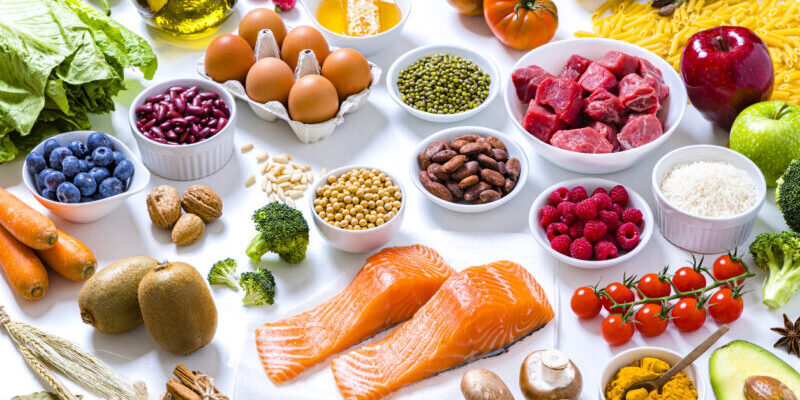
A new report by the International Food Information Council, the 2022 Food & Health Survey, examined the food priorities and buying power of Generation Z, how stress affects the way Americans eat and how more Americans are concerned about environmental sustainability.
The online survey involved 1,005 Americans of the ages 18 to 80 and, for the first time, the survey oversampled Gen Z consumers (ages 18-24), who showed strong interest in the environment, mental health and online purchases.
When asked whether they believed their generation was more concerned about the environmental impacts of their food choices than other generations, Gen Z was the most likely to say yes at 73%, followed by millennials at 71%. Among all age groups, 39% said environmental sustainability had an impact on their purchasing decisions for foods and beverages, which was up from 27% in 2019.
A majority of respondents overall said they felt either “very stressed” (22%) or “somewhat stressed (34%) over the past six months. Among generations, 33% of Gen Z said they felt “very stressed,” followed by millennials at 29%, Gen X at 25% and baby boomers at 10%. When asked the top way they made changes to reduce or manage stress, 30% said diet/nutrition, which trailed sleep at 41%, exercise at 40% and mental health at 30%.
Millennials, at 37%, and Gen Z, at 35%, were the most likely to say they shop online for food at least once a week, which compared to Gen X at 24% and baby boomers at 11%. The overall percentages for shopping online for food at least once a week increased to 25% in 2022 from 21% in 2021.
Other findings included:
- The percentage of respondents who reported following a diet or eating pattern increased to 52% in 2022 from 39% last year. The most common diet or eating patterns mentioned in 2022 included clean eating at 16%, mindful eating at 14%, calorie-counting at 13% and plant-based at 12%.
- Seventy-three percent in 2022 said they were trying to either limit or avoid sugars.
- When asked what they were trying to consume, 59% said protein, which was followed by vitamin D at 57%, vitamin C at 56%, fiber at 53% and calcium at 53%.