
Taste the Plant-based Rainbow
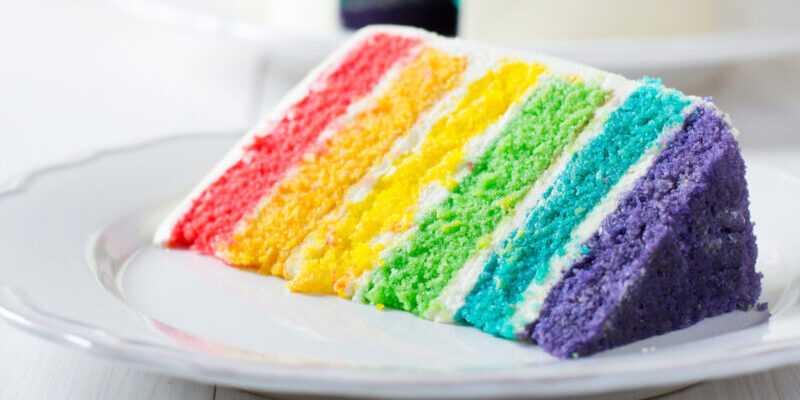
Color and flavor are the building blocks of mouth-watering baked goods, but, as with everything lately, the consumers are scrutinizing their source and favoring the ones that have a natural, plant-based origin. Here’s how bakers can reformulate with a cleaner label in mind.
Recent market studies came up with a new concept that describes how consumers make decisions about food. After the health-focused pandemic years, they haven’t lost their interest in natural sourcing and reducing fat, sugar and salt intakes, but they also want their food to taste really good, just like before. This new trend is called ‘mindful indulgence’: choosing products that offer real indulgence and do good for their minds and bodies. The benefits can take various forms, from added functional ingredients, such as vitamins and minerals, to reduced/alternative sugar and salt, or high fiber content.
Colors and flavors play an essential role in offering the ‘indulgent’ part, because they can elevate the aspect and taste of any baked good. When they can also offer clean label claims – plant-based and natural, mostly – they don’t interfere with the consumers’ health objectives.
Bright Colors and Flavors
“Consumers gravitate toward vibrant colors and bold flavors and are increasingly seeking out new flavor experiences,” explains Hélène Moeller, Vice President, Global Product Marketing Flavors & Colors, ADM. According to FMCG Gurus, Flavors, Colors & Textures Report, 2021, globally, 56% of consumers say they like food to have bright and intense colors. Additionally, of the 43% of global consumers who are attracted to food and drink products with new and experimental colors, 66% describe these colors as fun and exciting, and 60% say they make products more appealing.
“As a result, we’re seeing loud and bright shades and new and exotic flavors penetrate the market, bringing in a new wave of fierce expression to over-the-top baked goods, desserts and snacks,” says Moeller. One key example she gives is the Barbiecore trend (pink and pastels) and other colors like blue, teal, purple and orange that help shift consumer moods toward brighter and lighter moments. “We’re also seeing different shades of blue matching consumers’ desire for discovery, exploration and surprise. Fun and fantastical flavors pair well with blue tones, such as blackberry serrano, mint, birthday cake and fantasy taste profiles for fairies, dragons and more. Plus, «limited edition» is among the top five fastest growing year-over-year food and beverage claims, demonstrating interest in experiential eating occasions.”
Another color the ADM experts identified is orange (‘vibrant, bright and zesty’) which is also associated with citrus and tropical fruits and continues to remain popular among consumers looking for products that may provide wellness support. “It can also add zing to biscuits and cakes.” Similarly, lavender, as both a flavor and color, is emerging in the bakery category, evoking feelings of relaxation. Other botanicals, such as chamomile and lemon balm, are also quickly gaining popularity.
Inflation has put a lot of pressure on consumers in the past year and determined them to be very discerning in choosing their food, especially staples. According to Rich’s survey on how consumer behavior has changed when it comes to bakery acquisitions, 46% stated that fruit inclusions connoted a ‘premium’ option, while 42% cited ‘unique flavors’ as a key factor. “Adding natural ingredients like fruit and vegetable purees to bread products is a great way to put an exciting, premium twist on a comforting classic,” explains Johan Cerstiaens, Commercial Director, SVZ. “Spinach, red beet or butternut squash for example make especially good additions to tortilla dough, imbuing the recipe with an unexpected flavor hit as well as a burst of inviting color. Fruit breads featuring swirls of cherry or plum puree are another great example of this in action.”
Another aspect of how tastes have changed is that, if in the past shoppers may have been put off by brightly coloured bread loafs, wraps or rolls due to the association with artificial colorants or e-numbers, now they are attracted to them. “As the recent trend for rainbow burger buns has shown that when consumers are reassured the color comes from a natural source, vibrant hues are something to be celebrated,” says Cerstiaens. “Highly pigmented, natural ingredients like kale or red beet can provide a particularly eye-catching pop of color alongside a subtle flavor boost, without the need for any artificial additives.”
“Consumers want to see ingredients they deem as being “closer-to-nature,” and that includes flavors and colors,” confirms Moeller. “However, flavors and colors present unique formulation challenges when using naturally sourced ingredients. It can be difficult to create bold shades from natural sources that can also withstand different processing conditions. Plus, some natural ingredients may impart off-notes in flavor.” And, as baking is a complicated process that implies many physical transformations, additional challenges can include issues with color interactions, solubility needs, processing conditions, packaging, taste and cost.
Boosting Color and Flavor the Natural Way
You can read the rest of this article in the March-April issue ofEuropean Baker & Biscuit, which you can access by clicking here.