
Nutriearth Expands in Northern Europe with Caldic Distribution Deal for Vitamin D3 Ingredient
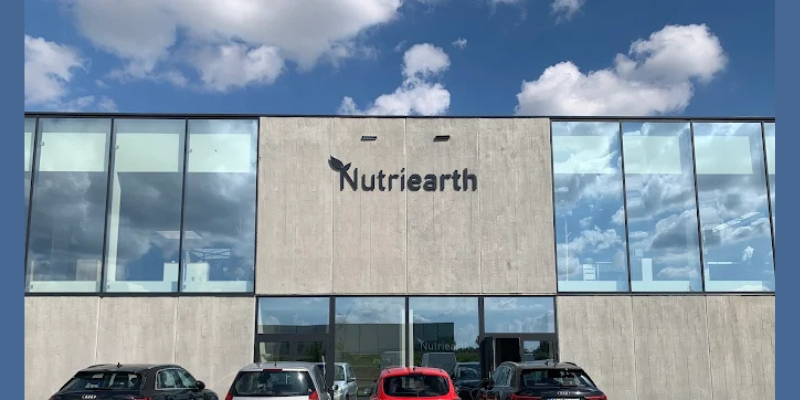
Nutriearth has signed a distribution agreement with Caldic to accelerate international sales of its N-utra functional powder across Northern Europe and Germany.
The partnership, effective from April 2026, will see Caldic distribute N-utra—a natural vitamin D3 ingredient—targeting food manufacturers seeking to fortify everyday products such as bread, buns, cakes and snacks. The move strengthens Nutriearth’s commercial footprint in key European markets while improving local access to its ingredient portfolio.
According to the company, the agreement is part of a broader strategy to scale international availability of its vitamin D3 solutions. “These new partnerships accelerate the global availability of N-utra and strengthen our local presence in key European markets,” said CEO Jeremy Burks.
N-utra is positioned as a next-generation vitamin D3 powder produced באמצעות a patented biomimetic process that replicates the body’s natural synthesis. The ingredient is naturally rich in vitamin D and contains proteins and minerals, offering a multifunctional approach to food fortification. Nutriearth claims improved bioavailability compared with conventional sources, including lanolin- and lichen-based vitamin D3.
For bakery and snack manufacturers, the ingredient is designed for easy integration into standard recipes, enabling nutritional claims while maintaining product quality. Nutriearth highlighted applications including biscuits and cakes, noting that fortified products can deliver a measurable share of recommended daily vitamin D intake.
The company also emphasised sustainability credentials. A lifecycle assessment indicated significantly lower greenhouse gas emissions and reduced overall environmental impact compared with traditional vitamin D3 production methods.
Through the Caldic partnership, Nutriearth aims to support regional manufacturers with formulation expertise and ingredient supply, while reducing European dependence on imported vitamin D3.
The agreement reflects growing demand for functional, traceable ingredients in bakery and snack categories, as producers look to combine nutritional value with everyday consumption formats.