
Macron: French Baguettes Should Be Unesco-listed Treasures
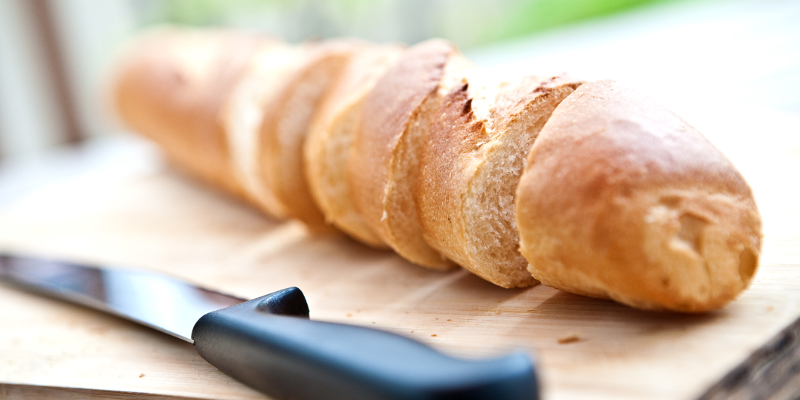
The French baguettes should be listed as a Unesco cultural treasure, says France’s president Emmanuel Macron.
“The baguette is the envy of the whole world,” he said, in support of a national bakers’ association that is promoting the application.
The bakers have been inspired by the success of Italy’s Naples pizza, which was protected by the UN’s cultural body last year.
Unesco’s list aims to save traditions from globalization.
The Committee for the Safeguarding of Intangible Cultural Heritage meets annually to evaluate nominations from around the world.
“Excellence and expertise must be preserved, and that is why it should be heritage-listed,” president Macron told French radio after receiving a group of master bakers at the Elysée presidential palace in Paris on Friday, according to BBC.
Artisan bread makers have voiced concern about mass-produced imitations.
The traditional baguette is already protected in France by a 1993 law. To meet the criteria to be categorized as baguette, the bread must only be made from four ingredients: wheat flour, water, yeast and salt. It cannot be frozen or contain added preservatives.
Baguettes are among the most popular types of bread in the whole world. What makes it so appealing, and what adjustments does it offer on global markets? And how did one bread become a symbol, an essential part of the brand of a country?
Its measurements are: 55-65 cm long, and it weighs 250-300 grams. It consists of four ingredients: flour, yeast, salt and water. According to the French Bread Decree from 1993, a traditional baguette must follow certain rules. Besides having a precise size and weight, it cannot be frozen or contain additives. In addition, it must be prepared, baked and sold in the same place – the boulangerie.
Origins
The French word baguette originates from the Italian bacchetto, which comes from Latin baculum (staff). It became a synonym with the long French loaf of bread at the beginning of the 20th century. While there are many stories about the invention of the baguette, it could have had something to do with the fact that it was impossible for bakers to make fresh, round loaves, due to a French law that forbid bakers to work from 10 p.m. to 4 a.m. in the 1920s. A thin, long loaf was a perfect solution, because it needed less time to be baked.
The shape and size as they are today, were established at the beginning of the 20th century, but the baguette was known long before. In fact, some descriptions from 19th century mention French servants heading home from the bakery, holding a bread that was sometimes almost two meters long! Later, the length was made more practical and in line with the current law.