
Campden BRI: Innovation Pressure
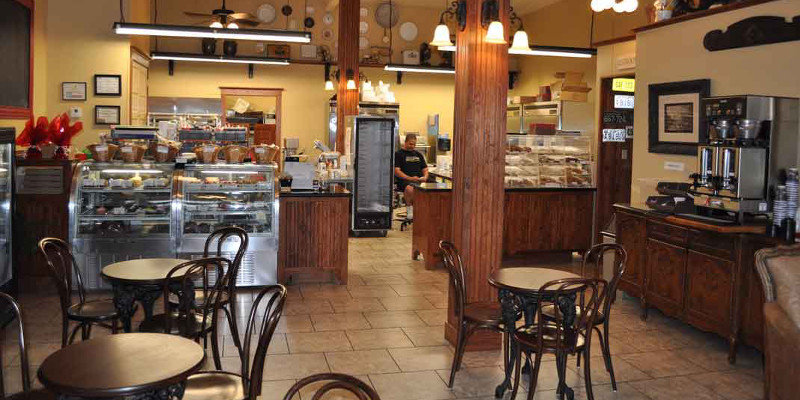
The pressure’s on for bakers to meet consumer expectations and to innovate with product that ticks all the boxes.
Gary Tucker, Campden BRI’s Head of Baking and Cereals, looks at these challenges.
Related Articles
 Intense competition combined with changing consumer demands and expectations continues to drive innovation and push new product development in the baked goods sector.
The pressure is on for bakers to develop products that combine functionality and quality with meeting consumer demands as innovatively as possible.
Considerations such as convenience, shelf life, ‘clean label’ and health and wellbeing top the list of consumer demands when it comes to deciding what baked goods to buy. An understanding of these drivers is essential if bakers are to successfully maintain and grow market share. However, new product development is not a straightforward task – it can be difficult, time-consuming and costly.
Success is not guaranteed – many new products either fail to make it on to the market or last for only a few weeks and as many as 86 per cent of all new product launches fail within the first year. It is therefore vital that bakers strive to meet and exceed consumer expectations.
Diet and health remains a significant trend in the baking industry and is a key focus for new product development. For example, products such as flapjacks, ‘skinny muffins’ and cereal bars are perceived by many consumers to be healthier than snacking on chocolate.
In the bread category, consumer awareness of the health benefits associated with consuming more fibre has driven sales of wholemeal and wholegrain varieties as well as multi-seeded loaves.
The challenge for bakers is to boost fibre levels without affecting product quality or impacting on shelf life. The issue with adding fibre is that it readily absorbs moisture, ‘mopping up’ the water in the dough making it tighter and more difficult to process. The resulting high-fibre loaf may be perceived by consumers (used to eating softer, spongier, white bread) as having a texture that is too dense, dry and crumbly.
Subscribe:
If you would like to read the rest of this article you can by subscribing here: Subscribe Today