
In Search of Everlasting Freshness
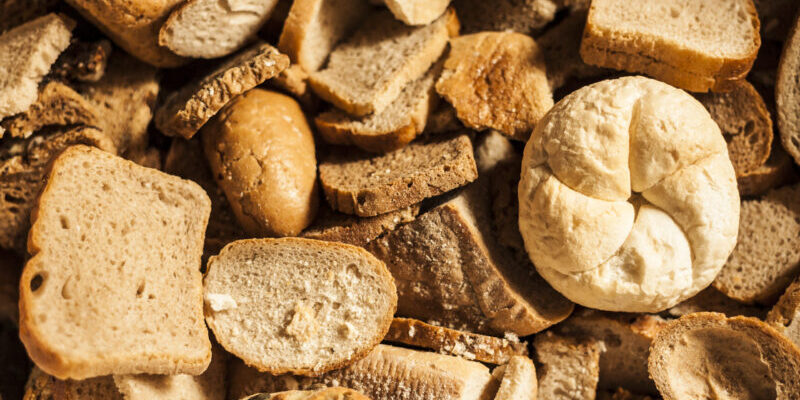
In the ongoing fight against food waste, dedicated ingredients give bakers and manufacturers clean label options that help both with prolonging the life of bread and bakery products and respecting their customers’ desire for recognizable ingredients in their everyday bread.
Bread has been one of the highest food waste categories. It is estimated that, globally, bread is produced at 100 million tons per year, leading to hundreds of tons being wasted daily. According to the 2016 data from the Food and Agriculture Organization of the UN, bread is the fourth most wasted food in the world with an estimated rate of 29.1%, causing significant environmental concerns and economic losses worldwide. Adding general bakery products losses, the wastage amounts to about 10 million tons worldwide every year.
“Due to its highly nutritious properties with various nutrients, bread is highly susceptible to staling and spoiling”, wrote researchers Ben Rejeb et all in the Molecules scientific journal in 2022. “In fact, bread is made from cereal grains that are quite indigestible in their raw state, and as a result, is considered resistant to microbial attack. However, due to the combined effects of heat and moisture during its baking process, starch in bread becomes digestible in its gelatinized form and therefore prone to microbial attack, which explains bread’s short shelf life.”
Bread becomes wasted food after it goes through a process of staling. The staling process causes the loss of important sensory parameters, such as flavor, texture, and an increase in crumb firmness and loss of freshness. Lipid and shortening help retard the crumb firming process, while the supplementation of new ingredients (i.e., fat monoglycerides, sodium stearoyl lactylate, and bioemulsifier) significantly reduces bread and bakery products staling.
That is where ingredient makers can help bakers and the whole baking industry reduce the waste that happens on the shelf. May that be conventional ingredients like propionate-based solutions that extend mold-free shelf life and food-grade acidifiers based on single (di)acetate salts or clean label fermentates – fermented wheat, rice and other common food substrates – and dry neutralized vinegar, reformulation can help prolong the life of baked goods and prevent food waste at a large scale.
Fighting Mold
Many consumers actively seek simple, transparent labels with ingredients they understand. For nearly three-out-of-five U.S. shoppers, transparency on labels means simple and recognizable description of ingredients. Therefore, certain artificial shelf-life extension ingredients are not viable options for clean label baked goods.
Kemin Industries, a global ingredient manufacturer, has developed a unique, potassium sorbate alternative for the bakery industry. SHIELD V Plus Dry, a natural ingredient made through cutting-edge technology, offers an unparalleled solution for inhibiting mold growth and extending the shelf life of bakery products, and is now available for food producers in the EMEA (Europe, Middle East and Africa) region.
Developed by a team of expert food scientists and industry professionals, SHIELD V Plus Dry combines the preservation properties of buffered vinegar with the anti-mould properties of a botanical extract. The result is a powerful food solution that significantly inhibits mold growth in cakes and delays the formation of mold in tortillas and flatbreads, naturally prolonging the freshness and quality of bakery products.
Unlike traditional preservation methods that rely on synthetic additives, SHIELD V Plus Dry is a consumer-friendly option that boasts a balanced flavor profile and heat stability. It allows manufacturers to meet the demands of health-conscious consumers without compromising on taste or sensory attributes.
“Our product represents an additional step in natural preservation, offering bakery manufacturers a powerful tool to extend the shelf life of their products while meeting consumer demands for clearer labels and superior quality,” said Caroline Ecoffard, Product Platform Manager, Kemin Food Technologies – EMEA.
One of the key features of SHIELD V Plus Dry is its versatility. While specifically formulated for bakery products, this innovative solution can also be applied as a natural alternative to potassium sorbate in emulsions, sauces, dressings and other highly aqueous foods. Its naturally occurring active molecules—such as acetic acid and sorbic acid—work in synergy to slow down the development of molds, ensuring product freshness over an extended period.
Read the rest of the story in the January / February edition of European Baker & Biscuit.