
Cargill’s Baupte Site Cuts CO2 Emissions by 45% with Major Process Modernization
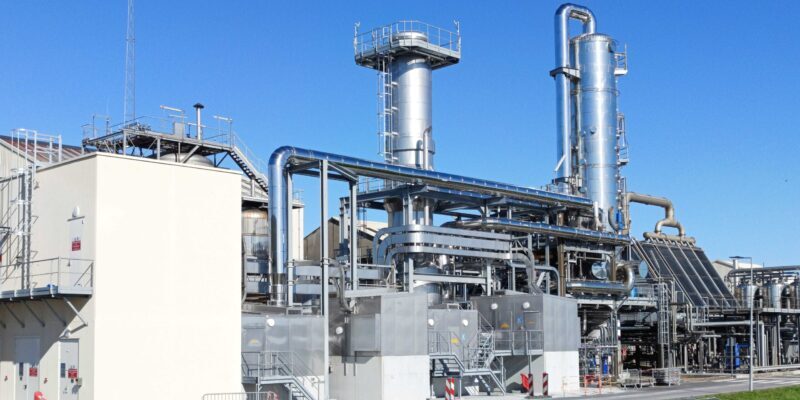
Cargill’s Baupte has reduced total site CO2 emissions by 45% following the modernization of one of its most energy-intensive production processes. Supported by an investment of approximately EUR25 million, the project marks a major step in improving the site’s energy efficiency and strengthening its industrial performance.
As part of the upgrade, Cargill modernized the site’s most energy-intensive process by introducing Mechanical Vapor Recompression (MVR) technology. This replaces natural gas-based steam with an electrically driven system that captures, recompresses and reuses vapors generated during production as the primary heat source, significantly improving energy efficiency while maintaining production performance.
“This system, operating since the end of 2025, reduces emissions by approximately 13,700 metric tons of CO₂ per year, supporting Cargill’s broader global ambition to reduce emissions from its operations by 25% by 2035, said Valery Bauchart, site manager, Cargill Baupte. The investment also aligns with France’s focus on industrial decarbonization and energy efficiency, while reinforcing the role of local manufacturing in delivering more sustainable food ingredient production.”
The Baupte site produces carrageenan, biopolymers and other texturizing solutions for applications including dairy desserts, cocoa-based milk drinks, plant-based alternatives, confectionery, sauces, cosmetics, and pharmaceutical products. The site supports food manufacturers in developing and reformulating products with the texture, stability, and consistency consumers expect.
Established in 1941, the site employs around 275 people and exports more than 75% of its production globally, contributing to both the regional economy and Europe’s food ingredient supply. Baupte also hosts a dairy-focused Food Innovation Center, supporting product development and application expertise.