
Baker’s Menu on the Chinese New Year
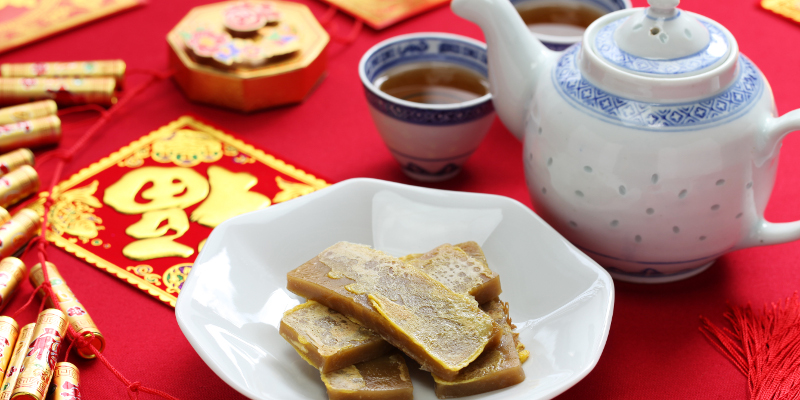
Millions of people are starting to celebrate the Chinese New Year, also known as the Spring Festival, on February19. It is the longest public holiday in China, ending on March 5.
According to the Chinese calendar, the Year of the Sheep or Wood Goat replaces Year of the Horse. The celebration starts with New Year’s Eve and concludes with the Lantern Festival, on the 15th day of the first month.
Every year millions of Chinese residents leave Beijing to travel to their hometowns for Chinese New Year. This annual human migration, comprising some 2.8 billion trips over the course of the holiday, announces massive celebration festivities. Traditional menus on the occasion include several foods which signify wealth, happiness, and good fortune.
Dumplings, a must for the Chinese New Year
Dumplings, or jiao zhi, are one of the staple foods for festive meals on the occasion. They are usually made from flour and water, but the fillings may vary a lot – from all sorts of meat and vegetables to seafood, mushrooms and even fruit. Dumplings are traditionally shaped as silver ingots – ancient Chinese currency, to symbolize a prosperous new year. Nowadays, dumplings can also be shaped into flowers, birds, fish and insects, more like arts and crafts than food.
Even though dumplings are traditionally home-made, the frozen dumplings market is rising. Sanquan Food Co., Ltd. produces and distributes quick-frozen food products made of wheat flour and rice primarily in China, like quick-frozen glutinous.
The company led the frozen processed food market segment in 2014, with an 11 per cent share, according to Euromonitor. The company is also projected to achieve the highest sales value increase of the top 10 manufacturers in frozen processed food, with an increase of 25 per cent in 2014.
Spring rolls
They are named also spring pancakes and are popular in China and around the world. Spring rolls are made by mixing white flour with a little water and salt, knead into dough and bake it into round wrappers. The fillings can be a vegetable or meat, but a red bean paste filling is used in the northern area of China. The wrappers are rolled and then deep-fry the spring rolls until they are golden brown and crispy.
Noodles and sweets
Noodles, mian tiao, are also among New Year’s favorite dishes. Families serve uncut noodles, making them as long as they can, because represent longevity and long life.
Desserts have also been enriched with meaning: they symbolize togetherness and prosperity. Serving desserts brings a sweet life in the New Year.
Sticky cake, or Nian Gao, is a glutinous rice flour, filled with dried fruits and steamed, traditionally on the festive menu.
On the other hand, no Chinese New Year can be celebrated without almond cakes, with a light, delicate flavor.