
The Great Sugar Debate: a Year on
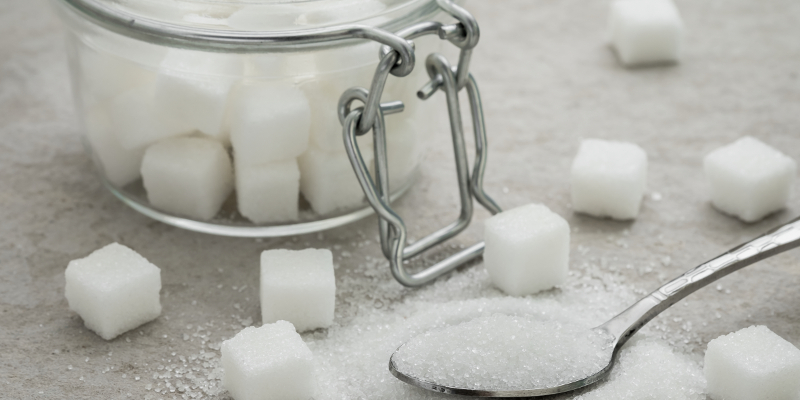
It has been one year since the great sugar debate. There was no hiding from the headlines, hailing the sweet ingredient as the new tobacco. But how has it affected consumer attitudes and what does this mean for the bakery industry?
By Daisy Phillipson
According to Mintel, over two fifths of consumers noticed the increased media coverage. We may have taken notice, but did we take action?
With regards to home baking, the answer is yes. Research by Mintel showed that health concerns were heightened during the sugar debate, making them a significant barrier to home baking.
Over a third of bakers (four in 10 women and three in 10 men) limited how often they baked sweet goods for this reason. Sugar was demonized in the media and this can be reflected in the sugar market’s decline in value in 2013 and 2014.
However, while home baking may have suffered, general sales of sugar in bakery products stayed pretty flat. Euromonitor’s figures showed that in 2012,UK consumers purchased 21.81g sugar per day from baked goods. The figure for 2014 was 21.93g showing that there was, in fact, a slight increase.
This hardly demonstrates a huge change in consumer buying patterns. Does this mean that the furor surrounding sugar was a waste of time?
Evidently not, because what we have been seeing is a shift towards more natural replacements. According to Mintel, people remain wary of artificial sweeteners with half the population expressing concerns about these ingredients. Meanwhile, with the “naturalness” of products commonly eliciting trust from consumers, naturally sourced sweeteners are met with far less resistance.
“This creates opportunities for manufacturers to move away from refined sugars and towards those with strong natural connotations in their recipe formulations,” says Emma Clifford, Senior Food Analyst at Mintel, “and there are possibilities for NPD involving these ingredients, within the technical and regulatory boundaries for this.”
For sweet bakery such as cakes, biscuits and pastries, manufacturers are starting to experiment with natural sweeteners such as monk fruit and agave syrup. For example, Koochikoo released no-sugar cookies sweetened with monk fruit and Sweet-Switch produced cookies with chocolate chips sweetened with stevia.
But what about savory bakery? Despite the lower levels of sugar in such products, there have still been some damning headlines claiming that several of the bigger bread brands have high levels of added sugar, although you can find plenty of counterarguments to this idea online. Additionally, Action on Sugar tried to add bread to their list of high sugar products, but this was soon acknowledged as flawed, with a little push from the Federation of Bakers.
There’s no doubt that consumers are much more aware of sugar in their diet and the health connotations associated with this. Overall, the effect on the bakery industry has not been torrential. There has been no sudden dip in bakery sales, no sudden switch from sugar to sweetener.
What we have seen is a shift towards natural over artificial. This is something that manufacturers should be keeping an eye on, as Euromonitor predicts that “clean label” ingredients will continue to grow in prominence and that “natural” is a key trend driving specialty ingredients.