
EUR5m EU Project Promotes Cultivation of Pulses
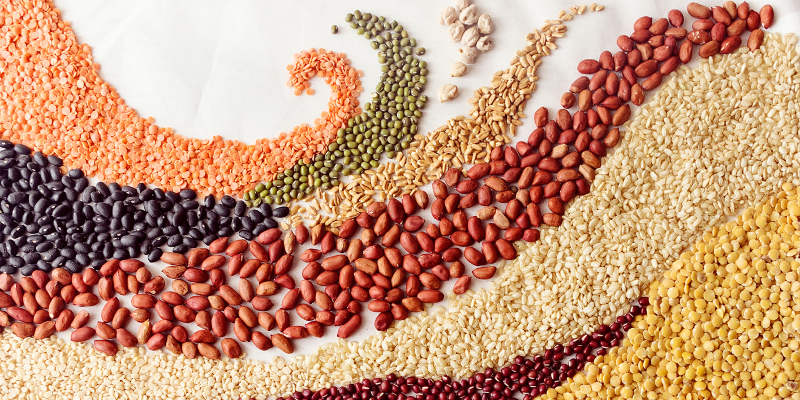
Fewer imports, less fertilizer, more sustainability – these are only a few reasons for expanding the cultivation of pulses in Europe. The EU project TRUE, with partners from 10 countries, wants to help expand cultivation of valuable protein-rich plants, which are now grown in very few areas.
Peas are becoming important for the bakery industry, with an increasing demand for baked goods with a higher level of protein content. The important actors, such as Warburtons, Roquette, GoodMills, have already announced investments in research and development of this area.
Funded by the European Union’s Horizon 2020 research and innovation program, the EUR5m TRUE project involves 24 partners comprising research, industry, education and social organizations with interests in legumes that span the supply chain. Over a four-year period, this transdisciplinary team will bring together and resolve knowledge of legume production, processing, economics, nutrition and environmental impacts to see how best legume-supported systems become the norm.
Dr Pietro Iannetta, an agroecologist from the James Hutton Institute’s Ecological Sciences group and coordinator of TRUE, said the potential of legume-supported food production is immense. “Under current consumption patterns, Europe imports 70% of its protein. There is also an increasing demand for plant protein, which can help tackle poor diets and health problems. TRUE aims to pinpoint the role of legumes in harmonizing the often-conflicting needs of the environment, society and business, the so-called three pillars of sustainability. The challenge here is to synthesize data from the full range of actors, identify the barriers and means by which we may make the most of the opportunities to deliver multiple benefits across all three pillars,” says dr. Iannetta, according to Hutton Institute’s press release.
Dr. Iannetta added that there is growing preference for healthy, sustainably-grown food, both by consumers and shops.
“More obvious items on the shelves include grain and legume-based breads and crisps. Less obvious legume-based products are sustainable proteins in the form of meats from aquaculture-based fish and shellfish farms, and legume-grass fed cattle and now even beer. However, to maximize the benefits the level of interest needs to be encouraged in a manner which ensures home-grown legumes are exploited.
“Currently, legumes occupy only a small portion of conventional farmed systems and coordinated support and development of capacities within local supply chains is therefore essential. There is a great opportunity here for small growers to innovate, diversify and shorten their supply chains by developing their own high-quality legume-based products.”
The research will lead to recommendations on how to empower the production of novel legume-based products, on the basis of improved market awareness, understanding and capabilities.
As the project focuses on innovation, a number of practical outcomes across the supply chain are envisaged, from the fabrication of new precision agriculture equipment to food technologies for improved formulations of food and animal feeds, especially aquaculture.
The project will also advise on policy amendments that would stimulate the uptake of new farming, processing, manufacturing and retailing practices.
The University of Hohenheim is a part of project
Researchers from the University of Hohenheim are part of the project and they are examining case studies, finding the economic effects, and ensuring an exchange of knowledge among the project partners. For this work, they are receiving over EUR540k from the EUR5m project – one of the major research projects at the University of Hohenheim, according to a press release from the institution.
At the University of Hohenheim, plant cultivation expert associated prof. dr. Sabine Gruber is carrying out two of the 24 total case studies in the project together with dr. Sabine Zikeli, Coordinator for Ecological Agricultural and Consumer Protection. The researchers are focusing on the successful history of lentils and soy. Their data is to help better understand why these two types of legumes are so successful.
The whole diversity of available legume species and pedo-climatic conditions across Europe is covered by TRUE, looking at 24 case studies from the production and use of crops such as beans or chickpeas for healthy dishes in Portugal, to the processing of peas into beverages in the UK to the marketing of organic traditional lentils in Germany.
TRUE invites legume stakeholders to connect with the project to build a European network for the promotion of these crops.