
Plant Protein Can Fight Hunger
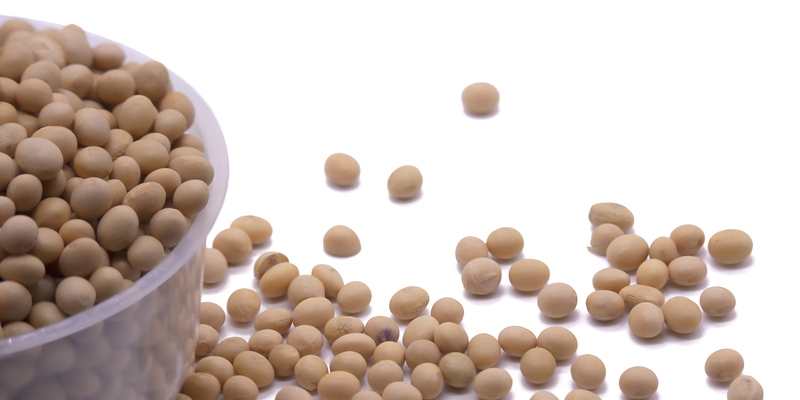
Ahead of World Food Day 2017, scientists of the European Research Project TRUE have drawn attention to the interlinkages in our food system between better nutrition and a lower agricultural impact on the environment.
The increase of growing and consuming legumes in Europe would be a contribution of improvement for worrying problems in the world such as hunger and global warming.
Initial results from the European Research Project TRUE, in a study conducted by students Shauna Maguire and Conor O’Brien from Trinity College Dublin, under the supervision of Professor Mike Williams, score dietary protein sources in terms of both their environmental cost of production (greenhouse gas emissions, groundwater pollution and land requirement) and their nutrient content.
“In all cases plant protein sources, in this case legumes like peas, beans and lentils, show the highest nutrient density and the lowest environmental production costs”, says Prof. Mike Williams. “For example, peas have a nutrient density to environmental footprint ratio approximately five times higher than equivalent amounts of lamb, pork, beef or chicken. In other words, you receive more nutrients per portion of peas at less of an environmental cost”, continues the environmental scientist.
Applying these environmental and nutritional indices to a range of diet scenarios, the Irish researchers have calculated the benefits that occur in terms of reduced greenhouse gas emissions and increased nutrient densities where the proportion of animal protein consumed is reduced. “Such quantitative estimates of sustainable food and agriculture will hopefully allow a more informed choice for consumers when considering the main protein component of their diet”, tells Prof. Williams.
“These first results of the TRUE Project are an important orientation for European consumers and decision makers, considering the risks to society emerging from the global increase in animal protein consumption, including growing environmental problems and increased food insecurity due to the competition between food and feed on global fields”, comments Alicia Kolmans from the Research Centre for Global Food Security and Ecosystems at the University of Hohenheim in Germany, responsible for the knowledge exchange and communication part of the TRUE project.
The project “TRansition paths to sUstainable legume based systems in Europe” (TRUE) is funded by the European Union’s Horizon 2020 research and innovation program. It is a balanced practice-research partnership of 24 institutions, which aims to identify the best routes, or “transition paths” to increase sustainable legume cultivation and consumption across Europe.
You can read an extended feature on using peas in bakery products in the next issues of our print magazine European Baker & Biscuit (Sept/Oct 2017 and Nov/Dec 2017)!