
Mondelēz International: Commitment to Help Recycle All Packaging
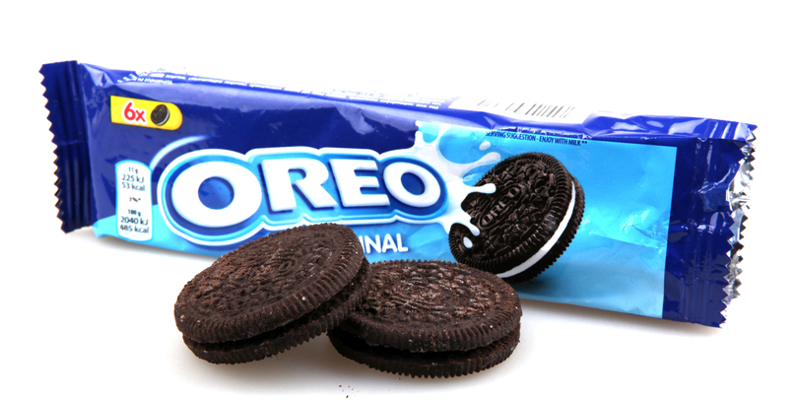
All paper-based packaging will be sustainably sourced by 2020, meaning 65 million kg of packaging material worldwide will be eliminated by 2020, according to Mondelēz International.
The company announced a new commitment to make all packaging recyclable and provide recycling information by 2025. The company will work in partnerships so that packaging can be collected and recycled in markets around the world. This new commitment is part of the company’s strategy for a circular packaging economy and will help deliver its long-term vision for zero-net waste packaging.
The announcement reflects the company’s new goal “to empower people to snack right by offering the right snack, at the right time, in the right way”. This includes ensuring that the company’s products are made with ingredients that are sustainably sourced, produced and delivered, with a positive impact along the supply chain.
“As the global snacking leader, we’re committing to using sustainably-sourced materials and recyclable packaging as part of our active contribution to reduce packaging waste and establish a circular economy for packaging,” said Rob Hargrove, executive vice president, research, development, quality, and innovation. “Plastic waste and its impact on the planet is a broad, systemic issue that our consumers care deeply about, and which requires a holistic response. Together with partners from across the industry, as well as public and private entities, we can help to develop practical solutions that result in a positive environmental impact.”
The company’s strategy aims to deliver against its long-term vision for zero-net waste packaging by addressing two objectives: making it easier for consumers to recycle packaging and supporting industry coalitions to improve recycling rates. To achieve this, the company is committed to the following:
The company will provide design guidelines for the circular economy to packaging developers, set priorities and identify materials to use or avoid across its packaging range.
By continuously improving packaging design, Mondelēz International has already made substantial progress to minimize the environmental impact of packaging. Most of the company’s packaging is already recycled, recyclable or recycle-ready, according to the company. Around 75% of its packaging is made up of glass, paper or metal and around 70% of paper-based packaging is from recycled sources. Hundreds of optimization programs have reduced packaging in recent years:
In the U.K., Cadbury Heroes tubs were redesigned to use 17% less plastic resulting in 30% fewer trucks to transport them.
In Asia, the Middle East and Africa, improvements to secondary packs and shippers for chocolate products saved more than 1 million kg of corrugated paper.
In the U.S., Oreo cookies packaging were made 23% thinner, which reduced the need for nearly 1.5 million kg of cartons annually.
Other Sustainable Commitments
However, the progress report from 2017 published by Mondelēz International shows that the targets regarding palm oil were achieved: maintaining 100% RSPO palm oil goal and making almost all of the palm oil traceable back to the mill.
According to the report, Mondelēz International has many targets in progress: 35% of its cocoa was sustainably sourced, 75% of the Western European biscuits (60% across the EU) made with Harmony wheat, 15% of the global eggs sourced were cage-free, reduced CO2 emissions by 10%, reduced incoming water usage by 25% in priority locations, reduced total waste in manufacturing by 15% and eliminating 53,500 metric tones of packaging.
“At Mondelēz International, we’re committed to making delicious, high-quality snacks our consumers can trust with ingredients they feel good about. We use our global scale and focus our efforts where we know we can have the greatest impact. We’re empowering farmers who grow our key ingredients, like cocoa and wheat, and investing in their communities to help them thrive. We’re producing our snacks with less energy, water, and waste, and sourcing our ingredients more sustainably and in ways that reduce deforestation in our supply chain. We’re also seeking more transparency and raising expectations of our suppliers to address crosscutting themes such as human and land rights. We’re evolving our well-being portfolio and improving the nutrition profile of many of our beloved brands. We maintain world-class safety standards for the foods we sell and the facilities in which our people work. And we continue to invest in community programs that help improve the well-being of children and their families,” Dirk Van de Put, chairman & CEO Mondelēz International says.