
Packaged Bread Market Expanding at 4.6% CAGR, to Reach a Value of USD66.5bn by 2032
The global packaged bread market is set to witness growth at a CAGR of 4.6% and top a valuation of USD66.5bn by 2032, according to research from Future Market Insights.
Bread packaging has not been quite the same as it was before the pandemic, as consumers are looking for more shelf stable products without harsh packaging. When visitors of Green Week in Berlin were asked about this, almost 60% of them indicated they no longer favor breads with low quality packaging.
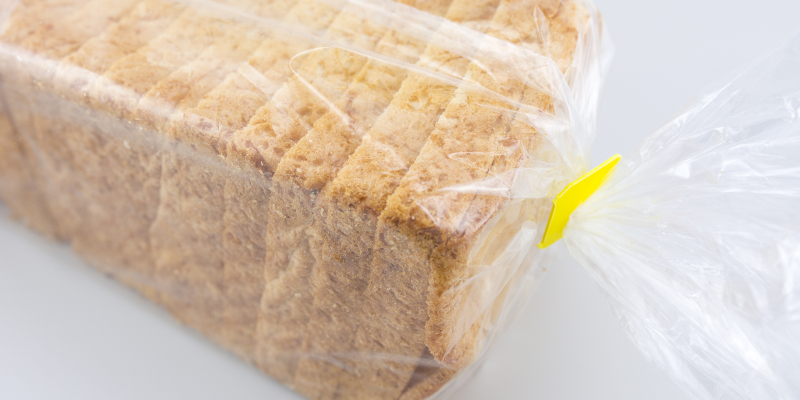
German consumers, for example, prefer different kinds of bread in different packaging, for instance frozen breads are preferred in cardboard boxes, while uncut loaves in shrink-wrapped, and sliced bread in plastic bags.
The eating habits of millennials, who prefer small portions of packaged bread, wrapped for immediate consumption, has prompted manufactures to incorporate new machineries to allow inexpensive product packaging without compromising the quality of packaged bread and to launch packaging solutions where the product shelf life can be extended.
Traditional or passive packaging only focused on protecting the bread from oxygen and molds by wrapping them with synthetic polymers and low gas permeability. However, a new concept has recently been developed, named intelligent packaging or active packaging, in which the packaging is done with functional materials which can interact with bread deliberately for monitoring and extending its shelf life. Nano-packaging is also being researched on by the front-runners of the industry, by using edible and biodegradable films to accomplish environmental requirements which can increase packaged bread shelf life up to 60 days.
Another recent technological development in the market is the implementation of 3D imaging for precise sorting using vision-systems, which can easily handle the image recognition task on conveyor belts during bread packaging, resulting in a far more accurate process, identifying things that could have been missed in other sorting systems, where low-contrast unidentified objects and small crumbs could slip through.