
Private Label Reaches Record 50% Unit Share Across Europe’s Six Biggest Grocery Markets
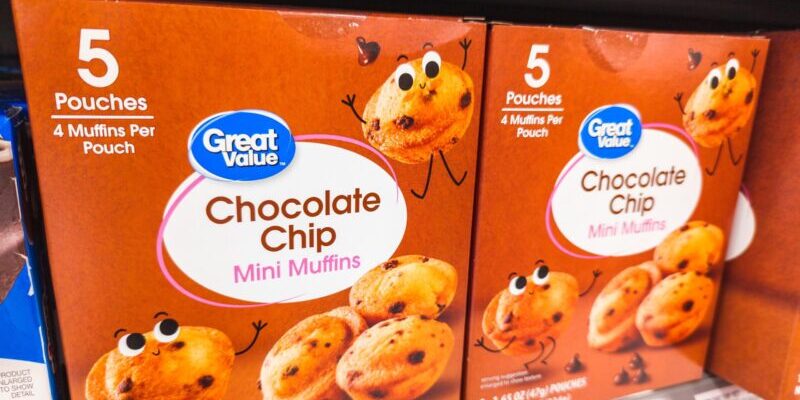
Private label has reached a 50% unit share across France, Germany, Italy, the Netherlands, Spain and the UK for the first time, as European households feeling cost of living pressures buy more supermarket own brand products.
The share of private label units sold has increased every year since 2021, according to Circana’s latest analysis of Europe’s FMCG market, rising by more than three percentage points over the period and with further growth expected this year.
Store brand products already make up more than half of CPG and FMCG units sold in some countries, led by Spain at 59% and the Netherlands at 56% where discounter supermarkets are more established. Private label unit share has also risen to 52% in the UK and Germany and stands at 46% in France and 36% in Italy.
Tracking sales of millions of SKUs over more than 230 FMCG categories, Circana’s analysis found that supermarkets have been keeping prices low and quality high by tapping into health and lifestyle trends and offering more premium own label offers and innovative new product launches than national brands. Retailers’ targeting of social media content towards younger, less brand-loyal shoppers is also playing a key role in driving demand.
While national brands have been winning shoppers back and slowing the growth of private label, higher food inflation following the conflict in the Middle East could lead to another rise in the number of retailers’ own brand products in shopping baskets by the end of the year.
Online and AI-driven shopping, which typically prioritise cheaper products that meet the same needs, are also expected to give supermarkets another boost this year as shoppers order more groceries online.
“Supermarket private label brands have spent the last decade becoming powerful brands in their own right,” said Ananda Roy, Senior Vice President of Strategic Growth Insights, Circana. “Given that a normal shopping basket today costs the same as a premium basket did last year, price-conscious consumers are making hard decisions about which products to buy. Retailers’ product ranges include cheap basics, premium treats, healthy and high-protein foods, and trendy lifestyle items which are proving a trusted and attractive alternative to national brands and changing how people shop all over the world. Retailers are also targeting younger generations who are less loyal to big brands with TikTok shops and viral moments, discounters are opening more stores and AI makes it easier than ever before to compare products on price and function alone. National brands will need to rely on more than just the reputation of their brand name or heavy discounts to tempt shoppers away. The cost of living crisis is expected to intensify in the second half of the year as the war in Iran increases the prices of fertilisers, transport, distribution and ingredients. This is likely to give retailers another boost, with private labels growing quickly again as households look for ways to save money.”
Circana also found that on-shelf promotions, loyalty pricing, and price-match strategies have intensified as part of a price war across the sector, but branded products are being discounted far more heavily than private labels. 34% of branded unit sales were on promotion, compared with 14% for private label, across Europe’s six biggest grocery markets.
Circana’s Ananda Roy added: “With margins already squeezed, national brands will need to take an deep dive into shopper and loyalty data, as well as pricing and promotion strategies if they are to compete and survive. Saturating the market with promotions is not a long-term survival tactic.”
Private labels also now account for 42% of sales across Europe’s six biggest grocery markets, putting their value at EUR324bn. Private label value share stands at 31% in Italy, 36% in France, 44% in Germany and the UK, 52% in Spain and 55% in the Netherlands.
Circana also found:
- Food and beverage categories were the main driver of private label growth, particularly in areas such as ready-to-eat meals, snacking, beverages and dairy
- Private labels have also grown significantly in water drinks with competitive pricing, deep promotions, limited editions and consumer targeting
- Non-food CPG categories continue to feel the most pressure from national brands.