
Baker & Baker Acquires Pastel de Nata Manufacturer in Portugal
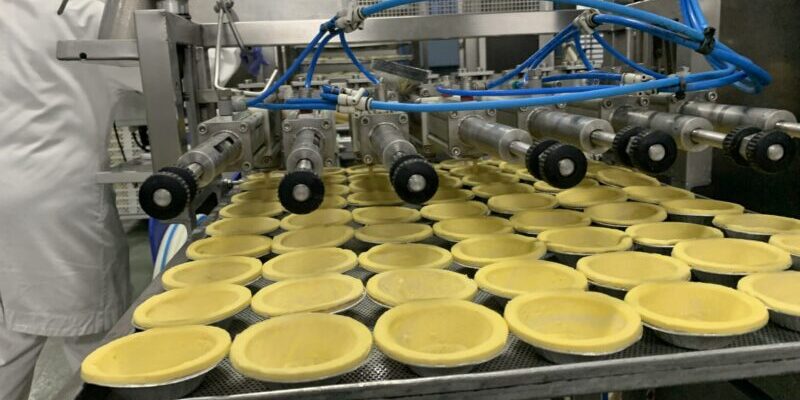
Baker & Baker has acquired Portuguese bakery Peipen for an undisclosed sum. Baker & Baker has acquired the order book, all equipment and machinery, and has assumed full responsibility for the personnel – entering into a long-term rental agreement with the original owners for the real estate and building.
Based in Peniche, just to the north of Lisbon, Peipen is a leading producer of authentic, largely handcrafted Pastel de Nata.
John Lindsay, European CEO at Baker & Baker, commented: “We’re thrilled to have concluded the acquisition of Peipen. It’s a strong business that has supported us as a supplier for many years. We’re confident that Baker & Baker Peniche can deliver further growth for our business, through additional Pastel de Nata listings and the introduction of additional specialty bakery lines.”
Peipen has been a direct supplier to Baker & Baker for a number of years, and this acquisition brings production in-house, facilitating further capacity for Pastel de Nata growth whilst providing space for expansion through the installation of additional sweet bakery lines
The Peniche site employs around 60 people, and all employees have been transferred to Baker & Baker from the start of September.
Pastel de Nata – a traditional Portuguese pastry, filled with egg custard tart – has demonstrated strong growth with retail and food service customers in recent years in the UK and continental Europe. Baker & Baker’s Pastel de Nata portfolio has delivered strong annual sales, and the business anticipates and enables further growth and customer listings following the acquisition of Peipen’s operations.
The Peniche site is a high quality, modern bakery manufacturing facility, with the food safety certifications IFS and FDA, originally owned by Unilever, and with a total footprint of around 5,000m². The factory currently produces around 1,000 tonnes a year, and there is scope for Baker & Baker to introduce additional product lines and equipment.
The Peniche site is the third manufacturing location operated by Baker & Baker in Portugal, in addition to Santo Tirso and Sāo Joāo da Talha, and follows long-term organic growth in the Iberian region.