
Handling Contamination Risks in Bakeries
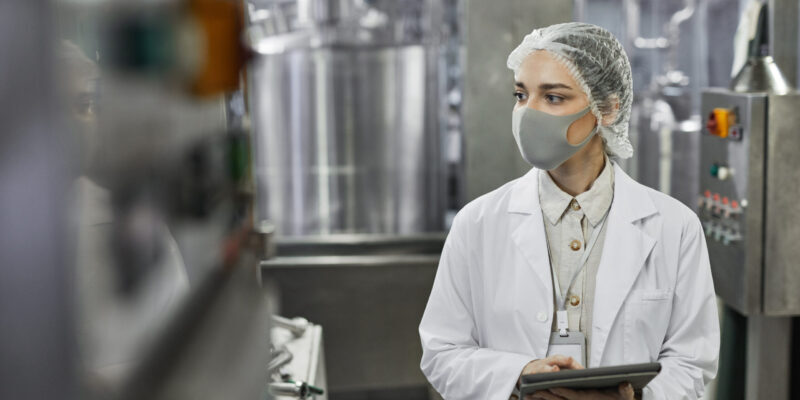
Food safety practices should be strictly followed by food manufacturers in their production operations, as they are important factors towards gaining, raising and maintaining consumer confidence and eventually bringing in product acceptability and profits.
Food borne diseases are a widespread and growing public health problem, both in developed and developing countries. Food contamination creates an enormous social and economic burden on communities and their health systems.
Bakery products, like many processed foods, are subject to physical, chemical and biological spoilage. The main routes of contamination are through surfaces, air, water, people and pests.
Products with high levels of moisture are most likely to present food safety concerns as they support the growth of a wide range of bacteria, yeasts and moulds. Foods which also have low acid components such as those common in bakery products provide an environment highly conducive to the growth of pathogenic bacteria.
Food safety challenges and the perception of food risk are overcome using an objective tool called the Hazard Analysis and Critical Control Points (HACCP).
HACCP system does a systematic and structured approach to identifying hazards – biological, chemical and physical – and the likelihood of these occurring at all stages of food production, from raw material to the final product, and define preventive measures to minimize occurrence of these dangers by application of immediate corrective measures to ensure the safety of the final product.
Most bakery products, in general, are not considered as high-risk food products because baking at relatively high temperatures is involved in their preparation. Many bakery products have reduced water activity (aw) and pH, which also prevent the growth of microbes. An average shelf life of bread is 3–5 days, but if the hygiene and sanitation of a bakery is poor, the shelf life of bread, especially some wheat bread, can be shorter.
Preservatives, sourdough, modified atmosphere packaging (MAP), vacuum packaging, microwave and infrared radiation are methods to control the microbial spoilage.
You can read the rest of this article in the Fall issue of World Bakers Digital, which you can access by clicking here.