
Nutraceuticals Are Here to Stay
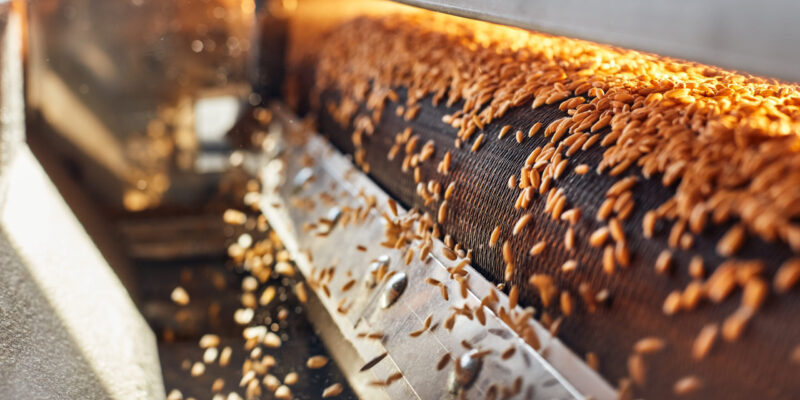
Although there are naturally beneficial ingredients in food, the deliberate incorporation of these ingredients into the food products might also be performed as an alternative approach in order to make use of their health-improving properties.
Research results have shown that some bioactive compounds or products having nutraceutical compounds can protect consumers from certain cancers, hypertension, depression, heart diseases, obesity, arthritis, and diabetes. In the last years, there has been a significant amount of development in the nutraceuticals market, with companies launching many types of products as food supplements and functional/healthy food products.
Nutraceuticals Industry is anticipated to register 5.2% CAGR between 2022 and 2030 due to rising number of sporting events and awareness pertaining to health products, says Global Market Insights Inc. in a recent report.
A surge in sports activities and growing participation at the national and international levels will complement the nutraceuticals industry growth, with an estimated market value set to cross USD636bn by 2030. Increasing awareness associated with the benefits of health supplements for various medical concerns will further drive the demand for nutraceutical products.
High prevalence of infectious diseases and the emergence of novel disorders will further drive consumer inclination, enabling them to purchase preventative care and functional foods and beverages. The COVID-19 outbreak also led to significant growth in sales of nutraceuticals and supplements.
“Nutraceuticals” and “functional foods” are two terms used to define health-promoting foods, or components that are extracted from them. There are no universally agreed definitions for nutraceuticals and functional foods. The term “nutraceutical” is commonly used in reference to anything that is consumed primarily or particularly for health reasons.
Nutraceuticals offer physiological benefits or protect against chronic diseases, while functional foods have a broad definition as foods that supply additional physiological benefits to the consumer with their usual diet beyond basic nutritional functions.
Among baked goods, bread is the most consumed staple food product all over the world. Depending on the cereals used and the processing methods, bread alone as a fermented product is known to provide some benefits for human health. For instance, research has suggested potential cancer preventing effects of different breads made from wheat, wholemeal wheat, and wholemeal rye.
The global baking industry is currently facing opportunities as well as challenges created by the current economic landscapes. The volatile financial scenario is changing the way bakers approach their businesses. For instance, there has been a noticeable shift toward natural and healthy bakery products consisting of vitamins, whole grains and fibers. Bakers have introduced more organic baked goods, breakfast cereals, breads and biscuits enriched with nutritional and natural ingredients in single-serve and portable packaging. Several companies eliminated preservatives and artificial flavors in their products in a bid toward image changeover as makers of healthier and natural bakery products.
Some debate has emerged recently among baking industry observers that bakery manufacturers are trying to do too much with their products. Particularly as companies develop more healthful and nutritious bakery foods, some voices have complained that bakery products do not need to be healthful.
Producing healthful baked products, even ones that qualify for health claims, is not for everyone. But, as has been made apparent by the rolling wave of trans-fat bans and the all-encompassing effects of popular fad diets, the industry needs to be proactive in product development to prepare for health movements and even capitalize on them.
You can read the rest of this article in the Winter issue of Asia Pacific Baker & Biscuit, which you can access by clicking here.