
ofi on How to Differentiate Food and Beverage Innovation in 2023
ofi’s global team of innovation and culinary experts weigh in on what are the most relevant trends and insights for 2023 and on how manufacturers can integrate them in their NPD so they serve their customers better.
My values
As high inflation continues, value is of ever more importance to consumers. However, its meaning changes from person to person, with some trading down to reduce spending and others elevating to reduce frequency of purchase. For example, convenient options can help add a touch of luxury for consumers replacing expensive takeout with at-home cooking.
Consumers are also seeking out small affordable treats like indulgent chocolate to help alleviate some of the stress. Nearly two thirds (63%) of global consumers have significantly increased their food and beverage spending post-lockdown.
ofi’s deZaan premium cocoa brand can unlock luxury possibilities, including organic options. Pair with our range of nut protein powders for delicious plant-based chocolate that can offer good hardness, snap, taste and melting properties. Our nut ingredients can also be used to deliver an entirely new sensory experience beyond milk chocolate look-alikes – consider walnut-based chocolate for example.
Beyond cost savings, private label offerings are being recognized as high-quality and desirable in their own right. Most APAC, EU and US shoppers (60%) believe private label products are as good as national brands when it comes to quality, innovation, sustainability and delivering on claims. In tandem, retailers are looking at multiple large-scale brands and tailoring their product offerings to make them their own.
Elevated Experiences
This year, consumers are turning toward food and drink purchases as pick-me-up experiences, seeking out rich flavors and textures.
One-off premium purchases like elevated condiments, beverages or snacks can help spice up monotonous days. Meanwhile, limited editions can create food experiences worthy of social media sharing. Capitalize on this with ingredients like ofi’s Moonlight extra white cocoa butter, which enables stark visual contrast in everything from white chocolate to delicious fillings – perfect for those close-ups.
Nostalgic dishes or ingredients with perceived mood-boosting properties also provide comfort. Consider a warming plant-based turmeric latte made with almonds and cashews, for example.
In 2023, companies will create experiential food and beverages, thinking about the way a consumer feels when they are eating. One way to do this is by adding sensory inclusions. Dark chocolate with a rich dark color or extra-indulgent ice cream and milkshake creations combined with crunchy roasted almond or cashew pieces are proving to be popular.
Heat
We’ve seen Hot & Spicy become an increasingly popular flavor profile in recent years, but that won’t cut it for 2023. Consumers are looking for more specificity, with particular varieties being called out. In the US for example, Pickled Jalapeño is seeing 42.9% on menus and Hatch Chile has grown 30.6% in foodservice and 418% in new retail product launches over the past four years.
Regional spice profiles can also let consumers travel with their taste buds from the comfort of home. ofi’s chefs have developed a range of blends to meet consumer preferences around the globe. For example, regional Indian blends like Nihari from New Delhi and the north or Rogan Josh from Jammu and Kashmir are a great choice for EMENA audiences.
Meanwhile, US consumers can enjoy spice blends inspired by the American Southwest, Mexico and the Caribbean. It might be tempting to dial up the heat to extreme levels, but most US consumers prefer moderation.
While more intense heat brings novelty, a more restrained level that offers a particular flavor can spur repeat purchases. Food and beverage brands can also add heat in unexpected applications for interesting twists.
Alterna-world
This year is bringing a new wave of plant-based foods and beverages, with ofi’s proprietary research finding that 63% of US shoppers expect to use more plant-based products over the next two years. This interest is also reflected in Europe, where 58% expect it to increase.
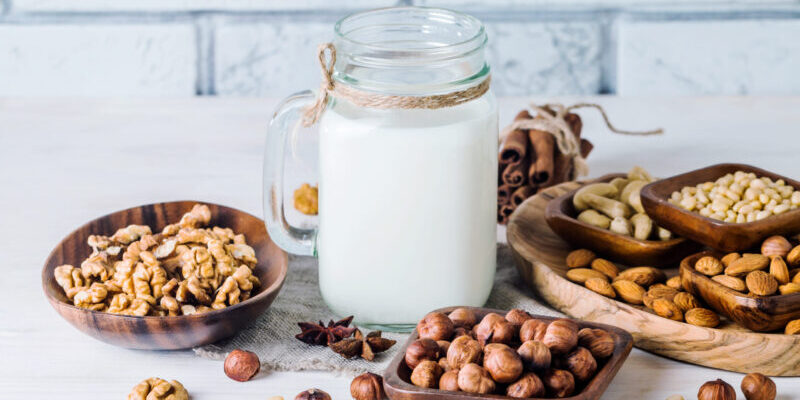
Curiosity is a large driver for consumers trying plant-based products, with our EMENA research uncovering that 65% of consumers buy plant-based dairy alternatives as an opportunity to try something new. ofi’s nut ingredients can contribute to achieving the right flavor, texture and functionality for innovative plant-based alternatives such as a barista nut milk.
As the plant-based trend matures, alternatives can stand out by addressing additional food trends like clean label or on trend flavors. For example, meat alternatives have made many advancements in achieving comparable taste and texture to meat over the past few years, but consumer demand for simple, recognizable ingredients in their foods is driving some manufacturers to make adjustments. Here, spices and herbs can help mask off notes in soy or pea-based meat alternatives, with a pantry staple like black pepper being especially helpful in counteracting bitterness.
Another area of opportunity for alternatives is “familiar with a twist” options. One example is taking a plant-based chicken nugget and creating a Nashville Hot version.
Dietary requirements such as gluten or lactose intolerance are another aspect of the Alterna-world trend.
Sustainability Gets Specific
It’s time to get to the root of your ingredients – consumers are looking for demonstrable sustainable farming and regenerative practices. This means companies should be digging into production metrics like water consumption, agricultural inputs and diversion of waste streams. Manufacturers can also partner with suppliers and growers to support environmental causes.
ofi’s sustainability initiatives in the cashew, cocoa, coffee, hazelnut and almond supply chains are one way we’re working toward our purpose: to source, grow and produce ingredients that are good for consumers, farmers and the world around us.
For example, Cashew Trail is our declared 2030 sustainability targets across the cashew supply chain from farm to factory. These are in line with the UN’s Sustainable Development Goals and include an ambitious goal to fight poverty and create economic opportunity by improving the livelihoods of people living in cashew communities and growing farmer yields.