
Sugar, Spice and Everything Healthy
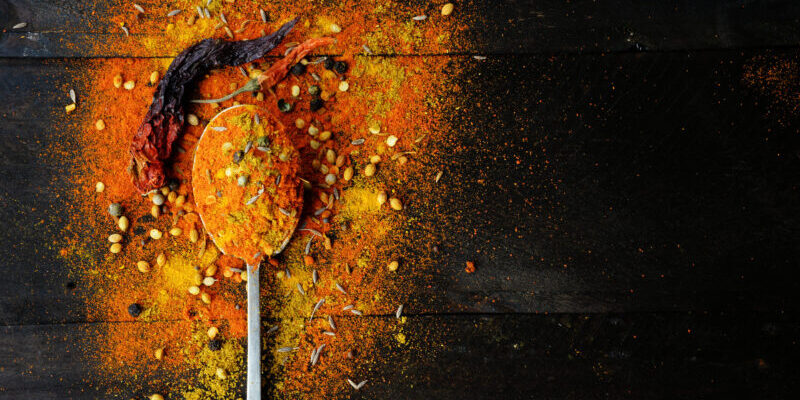
Spices and seasonings can bring character to a baked product and differentiate it on the market, but they also have properties that give bakers advantages in a market driven by health objectives. Not only can some claim health benefits, but they also help mask reductions in sugar, salt and fat.
When developing new products, bakers take note of what the market says, to make sure they deliver something the consumer craves. According to Innova Market Insights, chili was one of most popular flavors for APAC savory biscuits/crackers new product development in 2022. After chili, cinnamon, ginger and black pepper are the most popular spices in overall APAC bakery launches in the last five years and herbs as a flavor had seen growth throughout the years, being especially popular in India and Australia. Cinnamon and curry, both with a CAGR of 25% (2017-2022) are also among the fastest growing spices for APAC bakery.
The Asia Pacific market is estimated to witness a significantly high revenue share until 2032, according to Prophecy Market Insights. The growth is fueled by the increased preference for hot and spicy foods, high disposable income, emergence of various brands of herbs and spices, increasing social media marketing and promotional activities, and the existing spice trade. India has become the world’s largest producer, consumer and exporter of spices due to availability of favorable climatic conditions and abundant natural resources. For instance, India exports spices to 180 destinations such as USA, China, Bangladesh, UAE, UK, Germany, Indonesia, Sri Lanka, Thailand, Malaysia, which makes upmore than 70% of the total earnings in 2020 to 2021. The United States of America imported spices worth of USD586.8m from India during the same period. The main spice products imported by USA from India are curry powder, celery, chili, cumin, garlic, fenugreek, fennel and mint products.
“A thing that’s interesting about spices is that brands can test out a variety of combinations to latch onto consumer taste trends,” says Dr. J.I.X. Antony, Vice President of Innovation at ofi. “For example, a cracker could be flavored with an Indian curry spice mix combining cardamom, turmeric, garam masala and many more authentic spices. This creates an exciting flavor profile that meets consumer trends, while the rich combination of flavors masks lower salt levels.”
The extent to which bakery items incorporate Indian curry spice mixes can vary widely by region. These products are often creative fusions that blend the flavors of different culinary traditions to cater to diverse tastes. Other possible applications are curry puffs, curry buns, samosa pastries, or curry bread, which is a Japanese bakery product that features deep-fried dough filled with a curry-flavored mixture and coated in breadcrumbs.
Spices and seasonings can be a helpful tool when reformulating or developing baked goods for today’s health-conscious consumers. “One major trend we see is sodium reduction,” says Antony. “While we need salt, too much of it can lead to health issues like high blood pressure, heart disease and stroke. ofi’s high heat capsicums are a trend-forward option for brands looking to entice adventurous consumers with low-sodium preferences. These ingredients – like jalapeño, ancho or scorpion chilis – contain the active ingredient capsaicin, which gives these ingredients their spicy kick and create a pleasurable sensation and lead to more salivation. This experience heightens the brain’s reaction to the food, intensifying how we perceive flavors without adding sodium.”
You can read the rest of this article in the Fall issue of Asia Pacific Baker & Biscuit, which you can access by clicking here.