
Bakery Belts and Beyond: How Conveyor Solutions Keep Operations Rolling
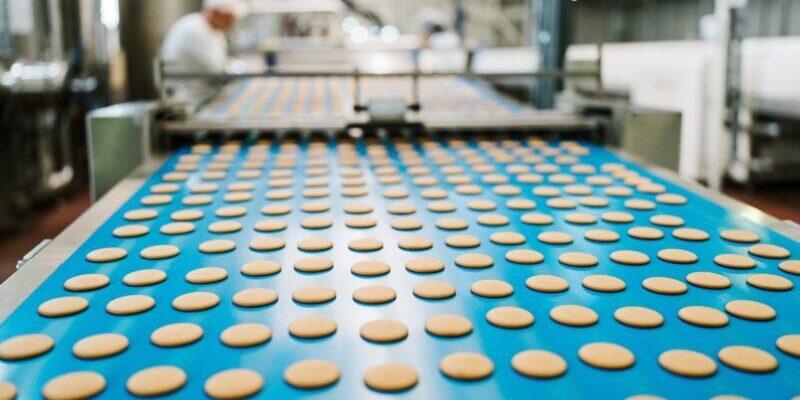
One of the main problems belt manufacturers face when it comes to industrial bakeries is the diverse range of products being conveyed, from fluffy loaves of bread to delicate pastries and crispy crackers. Each baked good presents its own set of challenges, including weight, size, and fragility, necessitating conveyor belts that can accommodate a wide spectrum of requirements. Additionally, the high temperatures involved in baking processes demand belts that can withstand heat without compromising performance or safety.
When it comes to choosing the appropriate conveyor belt for bakery applications, material selection is of utmost importance. Traditional options such as PVC and rubber belts, while cost-effective, may not be suitable for high-temperature environments or food-grade standards. Instead, materials like silicone, polyurethane, and PTFE (Teflon) offer superior heat resistance and compliance with food safety regulations, making them ideal choices for conveying baked goods.
Furthermore, the design of the conveyor belt itself plays a crucial role in ensuring optimal performance and product integrity. For instance, belts with low-friction surfaces help prevent sticking and product damage, particularly crucial when handling sticky dough or delicate pastries. Additionally, modular belt designs offer flexibility and ease of maintenance, allowing for quick belt replacements or adjustments as needed, minimizing downtime and maximizing productivity.
Ashworth’s Commitment to Customization
In a recent interview with European Baker & Biscuit magazine, Ashworth experts, Bryan Hobbs and Jonathan Lasecki, shed light on their comprehensive portfolio, customized solutions, and unwavering commitment to customer satisfaction.
One of Ashworth’s standout offerings is their diverse range of conveyor belts tailored specifically for bakery applications. As the experts explain, their portfolio boasts a variety of options, including the CB5 compound-balanced weave and Z belts, catering to a wide array of baked goods, from cookies and crackers to bread loaves. Additionally, their spiral belts for proofers and transfer belts for seamless product transition underscore Ashworth’s versatility in meeting the unique needs of bakery operations.
But the journey doesn’t end with product selection. The company emphasizes the importance of collaborative engagement with clients to identify the perfect fit for their specific requirements. Through detailed discussions and data collection, Ashworth’s team delves deep into factors such as product type, process speed, and environmental conditions to offer tailored solutions. Whether it’s modifying existing equipment or designing custom conveyor systems, Ashworth’s approach is rooted in understanding and addressing the customer’s unique challenges.
Customization is key, and Ashworth prides itself on its ability to adapt to varying factory layouts and production demands. As the company representatives elaborate, the company’s commitment to customization extends beyond belt dimensions to include pattern variations, turn radius considerations, and specialized features such as guard edges for product guidance. This attention to detail ensures seamless integration and optimized performance across the production line.
Ashworth also takes a proactive approach to service and maintenance. With comprehensive service programs and readily available spare parts, the company ensures minimal downtime and maximum productivity for their clients. From routine inspections to equipment refurbishments, Ashworth’s service teams are equipped to handle any challenge, ensuring smooth operations and peace of mind for bakery operators.
Discussing future developments, automation emerges as a central theme in Ashworth’s vision of conveyor belt design.
Tribelt’s Backbone Belts
Tribelt’s portfolio encompasses a range of conveyor belts, including eyelink belts, woven belts, and their signature Triflex belt. These “backbone” belts, as described by Tribelt experts, boast a proven track record in the industry, providing reliability and performance across various bakery applications. Moreover, Tribelt’s commitment to customization ensures that each belt is tailored precisely to the customer’s needs, thanks to their unique ability to utilize spring production machinery in-house.
When it comes to the benefits and drawbacks of different conveyor belt types, Tribelt’s experts point out that conveyor belts have no inherent drawbacks; rather, the challenge lies in understanding the customer’s needs and offering a solution that addresses them effectively. Tribelt’s approach focuses on asking the right questions to steer clients away from potential problems, ensuring seamless integration and optimized performance.
In terms of customization demands, Tribelt recognizes the importance of flexibility in factory layout planning. Their Triflex belt emerges as a versatile solution capable of navigating complex conveyor line configurations, including multiple turns and transitions between production units. This adaptability underscores Tribelt’s commitment to meeting the evolving needs of bakery operations with innovative solutions.
Conveying certain baked products or ingredients poses unique challenges, particularly when dealing with small items like seeds. Tribelt addresses this challenge head-on with their OGB-LF belt, featuring specially reworked eyelinks to minimize gaps and ensure efficient product conveyance, even in airflow-intensive applications.
When it comes to upgrading and retrofitting existing equipment, Tribelt offers comprehensive solutions. In addition to their range of conveyor belts, Tribelt manufactures drive elements and special product carriers in-house, providing customers with a one-stop solution for enhancing their conveyor systems. Furthermore, Tribelt’s expertise extends to trouble-shooting spiral tower systems, offering valuable insights and recommendations to minimize downtime and maximize efficiency.
Looking ahead, Tribelt is poised to introduce groundbreaking innovations to their portfolio. With plans to incorporate solar power energy into their belt production process, Tribelt aims to reduce their environmental footprint while maintaining their commitment to quality and reliability.
Continue reading the article in the second 2024 issue of European Baker & Biscuit.