
Streamlining Industrial Bakeries with Advanced Turnkey Solutions
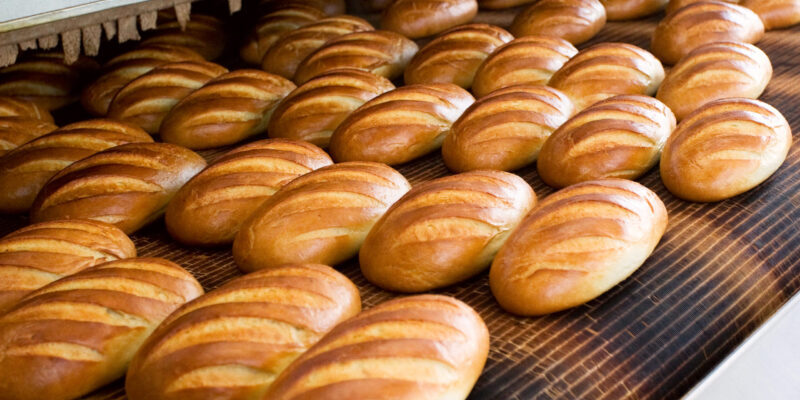
Industrial bakeries aiming to streamline their operations and enhance productivity often turn to complete turnkey bread production lines. These comprehensive systems, provided by specialized manufacturers, encompass the entire bread-making process from dough preparation to packaging.
Turnkey solutions offer numerous technical advantages, such as integrated automation, consistent product quality, and minimal downtime. Two notable turnkey bread production lines in the market are the Radini bread line from Rademaker and the Impressa bread line from Fritsch. Each of these systems exemplifies advanced engineering and sophisticated technology tailored for industrial-scale bakeries.
The concept of a turnkey solution in the bakery industry involves a single supplier providing a complete set of equipment required to produce bread. This approach ensures that all components of the production line are compatible and optimized for seamless operation. By sourcing a turnkey system, bakeries benefit from reduced complexity in installation and maintenance, as well as a single point of contact for support and service. Additionally, turnkey suppliers often offer comprehensive training for staff, which is crucial for maintaining high operational standards.
Versatility and Efficiency
Rademaker’s Radini bread line is renowned for its versatility and efficiency. Designed for both artisanal and industrial bread production, the Radini line incorporates advanced dough handling technology that ensures gentle processing. This is critical for maintaining the integrity and quality of the dough, especially for products requiring a light and airy texture. The line includes modules for dough mixing, resting, dividing, rounding, proofing, baking, and cooling. Each module is engineered to handle high throughput while maintaining precision in every step.
One of the standout features of the Radini line is its modular design, which allows for easy customization and scalability. Bakeries can start with a basic setup and expand their line as demand grows. The Radini system also integrates state-of-the-art control systems, enabling precise monitoring and adjustment of parameters such as temperature, humidity, and fermentation time. This level of control ensures consistent product quality and helps reduce waste.
The Radini bread line by Rademaker is designed to handle high capacities, capable of producing up to 9,000 pieces per hour, depending on the product type and specifications. This makes it suitable for both large-scale production runs and smaller batches with frequent changeovers. Its versatility is further enhanced by the modular design, allowing bakeries to produce a wide range of bread types from traditional loaves to artisanal varieties. The Radini line’s compact footprint is another significant advantage, enabling it to fit into facilities with limited space without compromising on performance. Additionally, the line incorporates energy-efficient components and advanced process controls that minimize energy consumption, making it an eco-friendly option for bakeries looking to reduce their environmental impact.
In a recent statement, Rademaker’s Chief Technology Officer highlighted the importance of innovation in their product development: “Our focus is on creating equipment that not only meets the current needs of bakers but also anticipates future trends in the industry. The Radini line reflects our commitment to flexibility and efficiency, allowing bakers to adapt quickly to changing market demands.”
Automation & Precision
Similarly, the Impressa bread line from Fritsch represents a pinnacle of engineering excellence in bread production technology. Fritsch, a company with a long-standing reputation for quality and innovation, has designed the Impressa line to cater to the diverse needs of modern industrial bakeries. The Impressa line is distinguished by its high level of automation and precision, which translates to increased productivity and consistent results.
The Impressa bread line includes sophisticated dough sheeting and laminating technologies, which are crucial for producing a wide range of bread products with varying textures and structures. The line is capable of handling high volumes of dough with exceptional accuracy, ensuring uniformity in size and shape of the final products. Additionally, the Impressa system incorporates advanced cutting and moulding techniques, allowing bakers to create intricate bread designs without compromising on speed or efficiency.
Fritsch’s Impressa bread line boasts impressive capacity capabilities, with some configurations able to produce over 12,000 pieces per hour. This high throughput is ideal for large-scale industrial bakeries that need to meet substantial market demands. The Impressa line is renowned for its exceptional versatility, thanks to its sophisticated dough sheeting and laminating technologies that can handle various dough types, including high-hydration and pre-fermented doughs. This flexibility allows bakers to create a diverse array of bread products, from baguettes to specialty breads, all while maintaining consistent quality. The Impressa line’s footprint is optimized for industrial settings, balancing robust functionality with space efficiency. Energy consumption is a key focus for Fritsch, and the Impressa line features advanced energy-saving technologies, including efficient motors and precise thermal controls, which help reduce overall energy usage and operational costs.
Fritsch’s commitment to innovation is evident in their use of cutting-edge materials and components. The Impressa line is built with durable, hygienic materials that meet the highest standards of food safety. Moreover, the system features intuitive user interfaces and comprehensive data logging capabilities, which facilitate easy operation and maintenance. Bakers can monitor the entire production process in real-time, making adjustments as needed to optimize performance and ensure product consistency.
Read the rest of the article in the May-June edition of European Baker & Biscuit.