
Scandinavia Still Bakes at Home
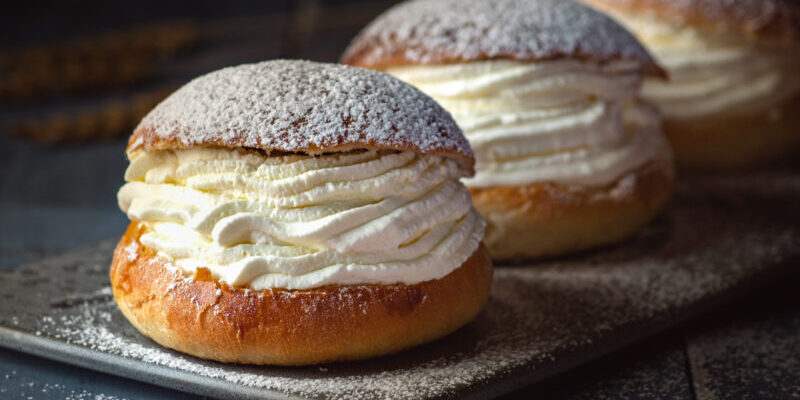
The Scandinavian bakery market saw an increase with the end of the pandemic restrictions, but habits acquired during lockdown are still going strong.
In a new market report by Euromonitor International, analysts explain how the Swedes, Finns and Norwegians consume baked goods in the aftermath of the COVID-19 pandemic, which upended many consumer habits. While during COVID the Scandinavians baked extensively at home – just as the rest of the world – to avoid contamination and fill the hours of the lockdowns, some of these practices stayed even after life went back to normal. The industry is recovering though, in spite of inflation and supply chain challenges.
Baked Goods in Sweden
- Retail value sales increase by 8% in current terms in 2023 to EUR1.8bn
- Pastries is the best performing category in 2023, with retail value sales rising by 14% in current terms to EUR198m
In 2023, baked goods in Sweden continued to exhibit normalizing sales. After the pandemic, sales through foodservice took a hit, leading consumers to shift towards retail as they preferred dining at home. Additionally, unit prices have continued to rise due to inflation and increasing production costs. As consumers began comparing prices, private label products have managed to expand their market share at the expense of branded products by offering competitive pricing.
While the trend of baking at home initially surged during the pandemic, it remains somewhat relevant in 2023. New product launches aim to meet this demand by providing convenience through dessert mixes.
The health and wellness trend continues to influence new product development in Sweden as consumers pay more attention to their diets. However, this does not compromise on flavor and mouthfeel experience. Consumers still expect the traditional taste, appearance, and soft texture.
Baked Goods in Finland
- Retail value sales rise by 14% in current terms in 2023 to EUR1.8bn
- Frozen baked goods is the best performing category in 2023, with retail value sales increasing by 19% in current terms to EUR119m
Baked goods saw increasing unit prices driven by inflation and growing production costs in 2023. The category also continued to see a normalization of demand, as volume sales moved back to foodservice and away from retail as the COVID-19 pandemic faded. Nonetheless, cooking and baking at home remains a trend in Finland, albeit less so than during the pandemic, and easy-to-use products delivering convenience continue to have their appeal.
Working popular confectionery flavors into products is a popular strategy in confectionery, sweet biscuits and ice cream. It is expected to be received with interest by consumers of baked goods, too. Hence, more tailor-made products designed specifically for local taste preferences are expected to enter the fray.
Oat remains a local superfood making its way from bread to other types of baked goods. Oat is not only a local ingredient, but Finnish consumers also perceive it to be nutritious, good for controlling cholesterol levels, due to the effect of oat fiber (beta-glucan), and good for blood sugar levels. Oat is also known to be free from gluten; hence, many Finns suffering from stomach symptoms opt for oat-based baked goods in their diet. The ingredient continues to feature heavily in new product developments.
Baked Goods in Norway
- Retail value sales grow by 5% in current terms in 2023 to EUR1.6bn
- Pastries is the best performing category in 2023, with retail value sales rising by 10% in current terms to EUR130m
Read the rest of the article in the May-June edition of European Baker & Biscuit.