
Baking Innovation Chills Out with Vacuum Cooling
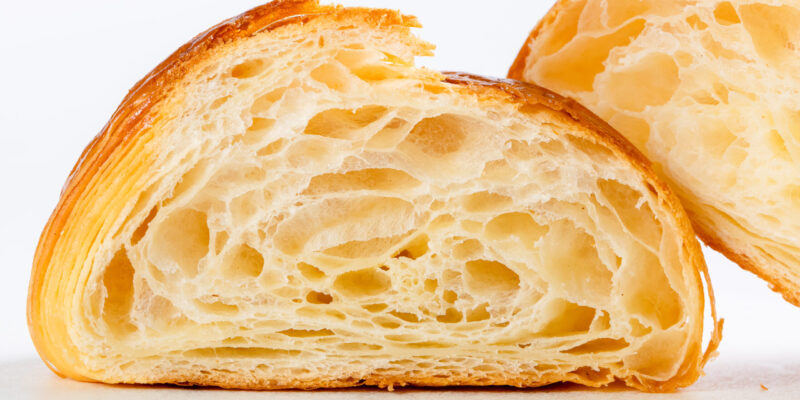
Vacuum cooling technology offers a sophisticated method for rapidly cooling baked goods, enhancing both the efficiency of production processes and the quality of the final product.
At the heart of vacuum cooling technology lies the principle of rapid evaporation under reduced pressure. When bakery products are placed in a vacuum chamber, the surrounding air pressure is significantly lowered. This reduction in pressure decreases the boiling point of water within the baked goods, causing moisture to evaporate quickly and effectively reducing the product’s temperature. This process is markedly faster than traditional cooling methods, which rely on convection and ambient air to lower temperatures.
The rapid cooling achieved through vacuum technology is due to the physical principle that water boils at lower temperatures under reduced pressure. For instance, at a pressure of approximately 6 mbar, water boils at around 4°C (39.2°F), facilitating efficient heat removal. The system usually includes a vacuum pump, a cooling system (often involving chilled water), and a control unit to manage the process. The precise control of temperature and pressure conditions ensures that the structural and sensory qualities of the bakery products are maintained.
Influence on the Baking Process
Vacuum cooling significantly impacts the baking process. One of the key influences is on the gelatinization of starch and denaturation of proteins. By completing these processes more quickly, vacuum cooling enables a substantial reduction in baking times by up to 40%. This not only increases production efficiency but also enhances product quality. The rapid cooling process results in bread with a fuller volume, improved texture, and an extended shelf life due to the reduction of residual moisture which can lead to microbial growth.
Additionally, the technology supports a higher degree of product uniformity. Since cooling occurs from the inside out, it helps in maintaining a consistent crumb structure and reducing the risk of crust cracking, which is common with conventional cooling methods.
Traditional cooling methods can lead to uneven cooling, where the exterior of the product cools faster than the interior, potentially causing structural inconsistencies and affecting the texture. This method is particularly advantageous for high-moisture products like bread, pastries, and cakes, which can benefit from the rapid and even moisture loss.
Benefits of Vacuum Cooling
The primary benefits of vacuum cooling in the bakery industry include significant time savings, enhanced product quality, and energy efficiency. Patrick Duss, a pioneer in vacuum cooling technology, highlights that this method can cut cooling times down to just a few minutes from the typical 60-90 minutes required by traditional methods. This efficiency not only speeds up the overall production process but also allows bakeries to handle larger volumes of products within the same time frame.
Vacuum cooling also extends the shelf life of bakery products. By reducing the temperature swiftly, the process minimizes the risk of microbial contamination and retains moisture within the product, keeping it fresher for longer. Chris Vreugdenhil, another expert in the field, notes that vacuum cooling leads to “crunchier, yet more tender” products and brings substantial savings in energy consumption and production space.
The benefits of vacuum cooling extend beyond product quality and efficiency. One of the notable advantages is the reduction in energy consumption. Traditional cooling methods often require extended periods and large amounts of energy to lower the temperature of baked goods. Vacuum cooling, on the other hand, achieves the same results in a fraction of the time, leading to significant energy savings.
Challenges and Considerations
Despite its numerous benefits, vacuum cooling technology is not without its drawbacks. One of the primary concerns is the initial investment cost. Vacuum cooling systems require a substantial upfront investment in specialized equipment. This cost can be a barrier for small to medium-sized bakeries that may not have the capital to invest in such advanced technology. Furthermore, the maintenance and operational costs associated with vacuum cooling systems can be higher than traditional methods, requiring regular servicing and expertise to ensure optimal performance.
Another challenge lies in the compatibility of vacuum cooling with different types of bakery products. While the technology excels with high-moisture products, it may not be as effective for low-moisture items or those with delicate structures that could be adversely affected by rapid moisture loss. Therefore, it is crucial for bakeries to carefully assess the suitability of vacuum cooling for their specific product range before investing in the technology.
Variables in Vacuum Cooling
The efficiency of vacuum cooling is influenced by several variables, including the initial temperature of the product, the moisture content, and the specific characteristics of the bakery items being cooled. For instance, products with higher moisture content will experience a more pronounced cooling effect due to the greater amount of water available for evaporation. Similarly, the initial temperature plays a critical role, as products that enter the vacuum chamber at higher temperatures will cool more rapidly. Understanding these variables is essential for optimizing the vacuum cooling process and achieving consistent results.
Moreover, the design and layout of the vacuum cooling system should accommodate the specific needs of the bakery, including the volume of production and the variety of products being processed. For example, a bakery with a diverse product range may require a more flexible system that can handle different types of items simultaneously. In contrast, a facility focused on high-volume production of a single product type might benefit from a more specialized setup.
The adoption of vacuum cooling technology also necessitates a comprehensive training program for the bakery staff. Operators need to be well-versed in the technical aspects of the system, including the correct procedures for loading and unloading products, monitoring the cooling process, and performing routine maintenance. This knowledge is essential to ensure the system operates efficiently and to prevent potential issues that could arise from improper use.
Read the rest of the article in the May-June edition of European Baker & Biscuit.