
Success Can Be Written in the Stars
I can remember, as a kid growing up a few decades back, that it was crucially important that my mother bought the right cereal. Not necessarily the one with the goodness and healthy stuff, but the one with the free Disney characters, writes Andre Erasmus.
However, that was just the tip of the iceberg, way back then. We have (the more cynical among us) become more blasé over the years when it comes to seeing A-list actors like George Clooney and Al Pacino selling coffee in commercials. Or Brad Pitt endorsing Japanese jeans, and a variety of actresses — too many to name — punting shampoos and perfumes.
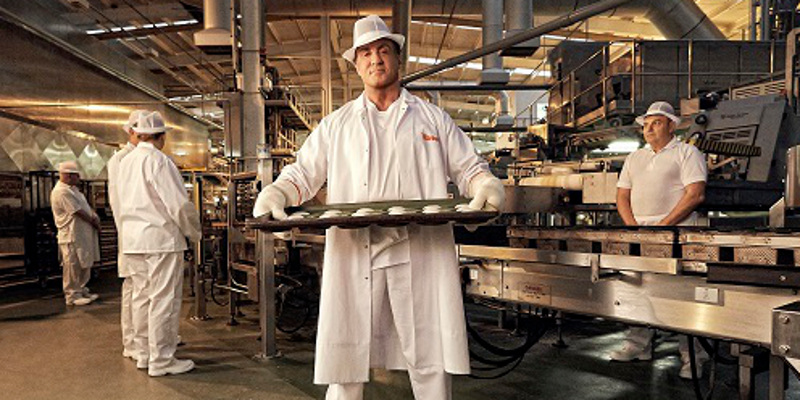
For instance, Sylvester Stallone recently appeared in commercials for the British bakery Warburtons. The rugged, heroic star of the ‘Rocky’ and ‘Rambo’ movies is seen talking about how cool the bakery’s sliced bread is. And that’s a bit worrying — to me at any rate. Baked goods are my ‘comfort’ food and a thug like Rambo would make me feel as if I had no option but to buy the product, or he’d beat me up…
Oh and, going back to cereals but staying with movies, General Mills has stolen a march on its competitors by jumping on the ‘Star Wars’ bandwagon. Some of its most popular cereals now feature a ‘droid viewer’ in the shape of C-3PO, R2-D2, the mouse droid or other creatures.
Now if that doesn’t get kids changing their brand, nothing will.
And that’s the point of it all — market share. That, in turn, is needed in order to boost profits and allow companies like Warburtons and General Mills to pay their A-listers the chunk of cash they demand.
Is it worth it? Commercials hold a worldwide appeal, and when a celebrity’s face is featured, consumers are more likely to pay attention to the ad. As a result, they purchase the product or service, a senior Advertising Executive told me once.
And, he added, because of this, companies are willing to pay veterans of the industry thousands of dollars.
This, he qualified, was more attractive to certain age groups and audiences, like children and cereals, or teenagers, with their fascination for movie stars.
It also differed from country to country. He said that Japanese TV advertisers have astronomical amounts of money to spend, compared with their Western counterparts. As a result, beer, whisky and credit card commercials have drawn on the likes of George Clooney (again), Keanu Reeves and Leonardo DiCaprio.
Do these stars actually believe in the products they are endorsing? It’s doubtful. So the money must be the attraction. And when you consider that people like Clooney, Pacino and Stallone can make upwards of USD 25 million per movie, the pay for a 60-second commercial must be worth it.
It seems like a vicious circle, doesn’t it? Celebrity endorsement of products is not a new idea. It is, however, very costly. David Beckham charged USD 160m for his Adidas adverts, Beyonce made USD 50m for her Pepsi ads and even Matt Damon made USD 3m for a ‘guest’ appearance in one of Clooney’s Nespresso ads.
I think that Stallone probably prefers New York bagels to British brown bread. But, when those ads were running, I bought Warburtons bread. I’m no match for Rocky or Rambo.