
A look inside Givaudan’s Flavour Innovation Centre
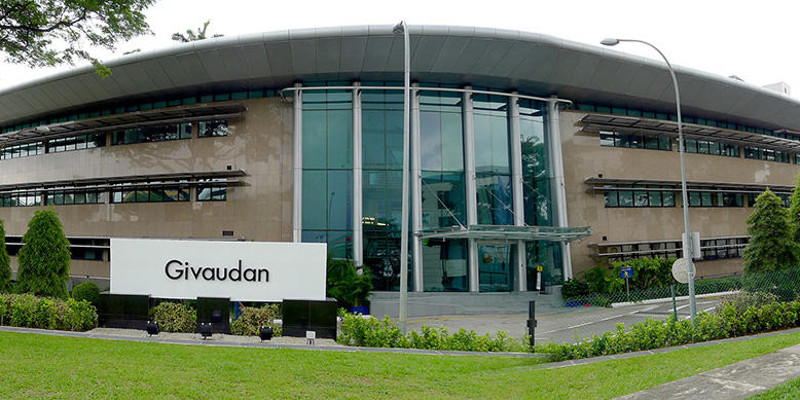
Givaudan announces the expansion of its Flavour Innovation Centre (FIC) in Singapore, an investment of CHF5m (USD4.9m). The FIC is home to the Asia-Pacific (APAC) campus of the Givaudan Flavour School, which is training the next generation off lavorists in the region. The center will include a new, fully integrated culinary space for concept development, as well as new or expanded savory, bakery, confectionery, beverage and dairy facilities to serve all market sectors. WorldBakers.com wanted to know more about the expansion, so we asked Bernhard Schaufelberger, technical head of APAC, Givaudan.
By Ioana Oancea
- What types of flavors for bakery/confectionery is the new facility in Singapore developing?
Bernhard Schaufelberger (BS): Within the FIC, Givaudan flavorists are leveraging the latest ingredients and technologies to develop holistic customer solutions that can go straight to market. For the bakery/confectionery market, these include new flavors incorporating additional taste dimensions to drive richness in butter, chocolate, ethnic yuzu and kumquat flavors for freshness in candies.
More broadly, our FlavourSchool, based within the FIC, is training the next generation of flavorists in the region to meet the growing demands of our APAC and Association of Southeast Asian Nations (ASEAN) clients, and to cater to diverse palate preferences in Asia.
- How much time did the development of the facility take?
BS: We have expanded and upgraded our facilities in Singapore to deliver a superior level of innovation and creative flavor and taste solutions to our customers in the region. The work took place over a period of 11months and the new facilities are now fully open, facilitating a regional focus on applied innovation, collaboration and knowledge sharing to complement our global network.
- How many employees will work in the new center?
BS: There are over 300 people working at our FIC. The total number of Givaudan employees in Singapore is over 600.
- How many facilities are now owned by Givaudan in the APAC region?
BS: The expanded Singapore FIC builds on our recent investments in Nantong, China; Tokyo, Japan; Karachi, Pakistan; Cimanggis, Indonesia; and Pune, India. We now have a total of 26 flavor facilities in the APAC region, from the Indian subcontinent to Australasia.
- Will the expansion continue in the region? How?
BS: Givaudan’s 2020 strategy reinforces the importance of high-growth markets, which represent significant growth opportunities for Givaudan. We see consumer purchasing power shifting from north to south and from west to east, with Asia leading the way.
We are not in a position to announce any further specific projects at the moment, but Givaudan has a clear strategy and roadmap for achieving growth. Our 2020 strategy will continue to focus on long-term value creation, which means creating responsible and sustainable growth for Givaudan, our partners and key stakeholders.
{gallery}Givaudan_FIC_Singapore{/gallery}
A Regional Focus on Applied Innovation
The investment enhances Givaudan’s innovation capabilities in the APAC region, facilitating a regional focus on applied innovation, collaboration and knowledge sharing to complement its global network. Within the FIC, Givaudan flavorists will leverage the latest ingredients and technologies to develop holistic customer solutions that can go straight to market.
These new facilities mean Givaudan is ideally placed to address regional trends, such as the needs of a middle class concerned with health and wellness but not wanting to compromise on taste.
Expanded capacity in Singapore will enable greater innovation and collaboration with customers so as to meet their needs, as well as those of a growing mass market with a desire for quality products using natural ingredients.
Commenting at the opening ceremony, Monila Kothari, Givaudan’s regional commercial head of APAC, said: “Givaudan has been serving customers in Singapore since 1992. This expansion underlines our ongoing commitment to our APAC and ASEAN customers, by offering them superior levels of innovative and creative flavor and taste solutions.”
The evolution to this brave new world began in the 1960s, with a branch office in Hong Kong. Over time, Singapore was identified as a logical center for servicing local markets, both in terms of production and innovation.