
AIB Researches Best Methods to Use Pulses in Crackers
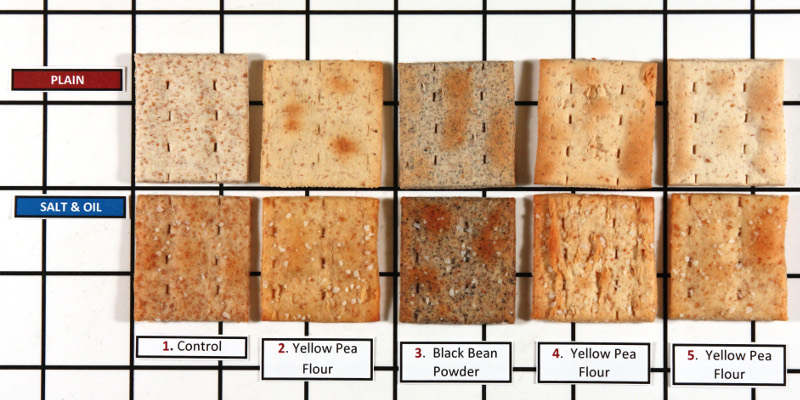
AIB International’s researchers recently collaborated with the USA Dry Pea & Lentil Council on a project to examine the usage level and impact on absorption and quality characteristics of pulse ingredients.
For that research, AIB test baked wheat snack crackers to determine the maximum level of flour replacement. The association’s experts then tested a large variety of pulse ingredients at that maximum level. The milling of pulses includes the process of removing the outer husk and splitting the grain into two equal halves.
Pulse processing such as cooking, frying, and extrusion can result in snack bars, chips, and quick cook items. And finally, germination, fermentation or dehulling of pulses can result in treated flours that have high protein and higher fiber.
Through this R&D project, AIB concluded that most pulse ingredients could successfully replace up to 30% of the whole wheat flour in formulations with adjustments to water and processing control, according to a press release. Another benefit of using pulse ingredients to produce crackers is the increased nutritional profile and the source of fiber.
Many R&D labs can not facilitate a proper test of new cracker products due to the limitation of their small scale lab setting. AIB’s pilot plant equipment and facility is designed to perform such tests when scaling up.
“The food industry can benefit from the expanded options of using pulse ingredients. AIB can provide technical assistance with formulation and processing challenges when developing cracker products,” Renee Boeckman, R&D manager.
Pulse ingredients are best exemplified by peanuts and soybeans. However, many other varieties have gained popularity. Yellow pea, black bean, faba bean, and red lentil flours and proteins have been incorporated into a variety of baked goods. Pulses are rich in protein, protein quality, soluble fiber, insoluble fiber antioxidants, vitamins, minerals and low in oil content. Pulses are also free of gluten and other allergens that must be declared in labels.