
Difficult Consumption Decisions: Living with Food Allergies
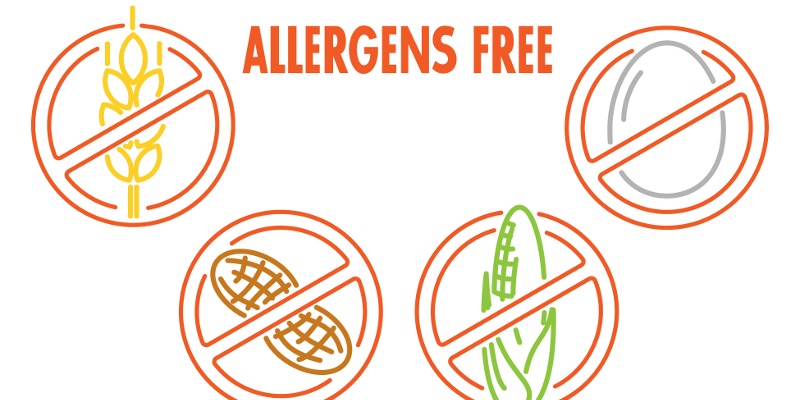
Millions of Britons, estimated at 14 million by YouGov Research, have developed allergies and intolerances. Over a quarter of them (26 per cent) state that gluten intolerance is the hardest to deal with in everyday life.
Research by Udi’s Gluten Free found that sufferers said the most problematic situations were restaurants (home and abroad) and friends giving them foods they can no longer eat.
Whilst not a reflection of the severity of different allergies and their effects, the research revealed that dairy intolerance (23 per cent) and nut allergy (18 per cent) were close contenders for being the hardest allergies and intolerances to live with, whilst being vegetarian (5 per cent) and shellfish allergy (3 per cent) were far easier.
Top five hardest allergies and intolerances to deal with in everyday life:
1. Gluten allergy – 26 per cent
2. Dairy allergy – 23 per cent
3. Nut allergy – 18 per cent
4. Egg allergy – 12 per cent
5. Lactose allergy – 9 per cent
The recent introduction of the EU’s Food Information Regulation has seen many restaurants adapting their menus to show allergen labeling, in order to help customers who suffer from an allergy or intolerance; however, almost one third (32 per cent) of respondents claimed it is still a struggle choosing what to eat, with gluten-free options remaining limited.
Shockingly, one quarter (25 per cent) of respondents said they would debate whether or not to go on holiday because of fears other countries will not understand the importance of their dietary requirements. Just under a fifth (19 per cent), said they found it difficult to eat at a friend’s house for fear of being fed the wrong foods.
Top five struggles of being gluten free:
1. Eating out in a restaurant (32 per cent)
2. Going on holiday/abroad (25 per cent)
3. Eating out at a friend’s house (19 per cent)
4. Being fed gluten accidentally (15 per cent)
5. Hosting guests and cooking at home (3 per cent)
Holly Wales, Product Development Director, at Udi’s Gluten Free, comments: “Despite supermarket shelves piled high with gluten-free options, there still remains an underlying problem with restaurants and friends who don’t understand or know how to cater for those leading a gluten-free life. With allergies and intolerances on the rise, the fact that people are fearing going to a restaurant or a friend’s house, or debating whether to go abroad or not is extremely worrying, and more needs to be done. We know that there is still a lack of understanding regarding celiac disease and gluten intolerance.”
One of the issues is that celiac disease and its symptoms are not recognized by the British population. Just 14 per cent of young adults recognize the symptoms of gluten intolerance and 9 per cent think ‘celiac’ is a famous Italian restaurant. As a nation, 91 per cent claim to know what celiac disease is, but, of those, a muddled two-thirds do not know what the symptoms are.
The confusion continues, with more than three in 10 Brits believing that gluten is a type of carbohydrate found in potatoes, breads and pasta. Meanwhile, one in 10 do not realize pasta is not suitable for those with celiac disease, and the same number have no idea beer can contain gluten.