
Ulrick & Short Presents Sugar Displacement Product
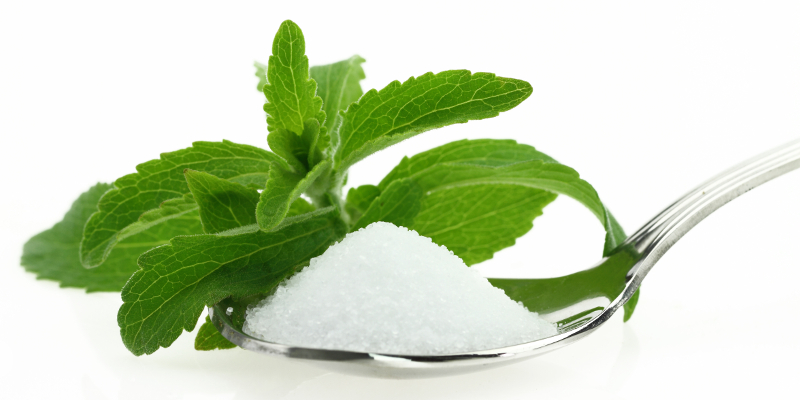
Clean label ingredient specialist Ulrick & Short introduces its sugar displacement product, avanté, which replace functionalities of sugar in baked goods and breakfast products manufacturing.
This innovative ingredient enables manufacturers to reduce sugar by up to 30% in cakes, snack bars and muffins – amongst other products – with no effect on product quality. Replacing sweetness is relatively straightforward with the use of artificial sweeteners and natural sugar substitutes, but replicating the functionality of sugar has always been more challenging.
The impact of sugar: Sugar is a highly functional ingredient. Depending on its application, it will contribute differently to recipes. It is this varied and vast functionality which makes sugar such a challenging yet interesting ingredient to replace.
Volume – Creaming the fats and sugar aerates the batter, increasing volume prior to the addition of baking powder. Due to the high surface tension of the batter, the carbon dioxide released by the baking powder is only able to increase the size of existing bubbles, not produce additional ones. If there is too much sugar present, then the cake will collapse due to the sugar crystallizing in the cake, firstly preventing gluten from forming then creating a heavy top which makes the cake unable to rise.
Structure – The combination of protein coagulation and starch gelatinization is what forms the final structure of the cake sponge, and the rate that this occurs is directly correlated to the levels of sugar present in the cake.
Color, flavor and aroma formation – The chemical reaction between reducing sugars and amino acids, from proteins, is known as the Maillard reaction and it is this which gives color and flavor to the cake, as well as releasing aromas. The Maillard reaction only occurs on the surface of the batter as this is the only part of the cake which reaches a high enough temperature and dehydrates enough to allow the reaction to occur.
Preservation – A higher level of sugar increases osmotic pressure because the sugar is binding the water, which results in microorganisms being unable to absorb the water they require for growth: effectively, there is no free water for the bacteria to grow, hence inhibiting microbial growth.
Texture – Sugar acts as a tenderizing agent as it absorbs water, delaying protein coagulation and starch gelatinization. In addition to being sweet, sugar also increases the starch gelatinization temperature, slows down protein coagulation, increases batter volume, provides crust color, extends shelf life and improves texture and softness within baked goods.
Sugar plays a far more complex functional role than most consumers realize, and calls for a reduction in sugar levels can only realistically be met by bakery manufacturers committing to the use of innovative replacement ingredients.