
US FDA Considers Non-GMO Acrylamide-Reducing Yeast as Generally Safe
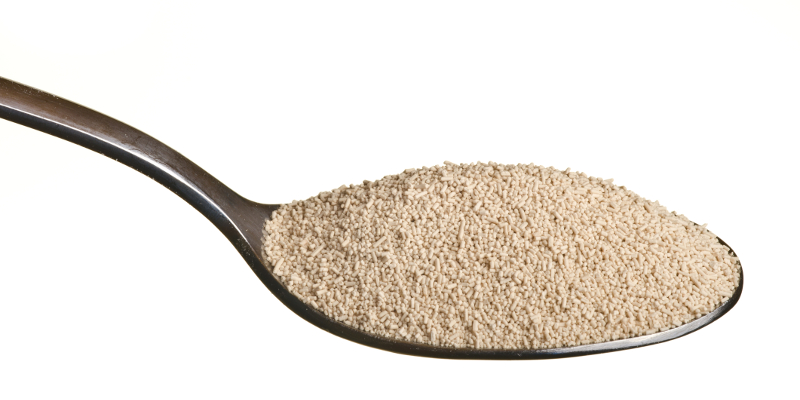
Renaissance BioScience Corp., an yeast innovation company, announces that the US Food and Drug Administration has “no questions” in regards to Renaissance’s Generally Regarded as Safe (GRAS) notice for its non-GMO, acrylamide-reducing (AR) baker’s yeast strain.
“The acceptance of our acrylamide-reducing yeast as GRAS by the U.S. FDA is a significant step forward in the commercialization and marketing of the AR yeast for a wide variety of food and beverage sectors,” said Dr. John Husnik, CEO of Renaissance BioScience.
GRAS status provides further validation to food manufacturers worldwide in applying the AR yeast to address the acrylamide problem that continues to be a concern in many foods and beverages. “In foods that already contain yeast we believe our AR yeast can quickly and seamlessly replace the use of conventional baker’s yeast, with minimal or no change to the food production process, thereby reducing the amount of acrylamide in the final consumer product by up to 90%. For foods that do not traditionally contain yeast it is also possible to significantly reduce acrylamide levels using our AR yeast by making reasonable process alterations, as our laboratory results have shown,” Dr. Husnik explains.
“With government reports concerning acrylamide being issued recently by the US FDA, the EFSA, the UK FSA, Health Canada and the Japanese government, acrylamide reduction continues to be an important focus for health and food safety regulators, governments, and food and beverage manufacturers around the world ,” added Dr. Husnik.
Renaissance’s AR yeast now joins other mainstream ingredients, such as conventional baker’s yeast and other food and beverage yeasts, that have GRAS status. The company’s wholly owned subsidiary, Renaissance Ingredients Inc., is responsible for commercializing the AR yeast to the global food and beverage industry.
Renaissance Ingredients Inc. is currently in discussions with potential production partners to allow for large-scale commercial availability of AR yeast for food manufacturers. Acrylamide is a World Health Organization Group IIA carcinogen that has been shown to be mutagenic and neurotoxic in a variety of laboratory animal studies. In 2002, acrylamide was identified in a range of common foods, including bread, toast, potato chips, fries, cereals and coffee.