
Sweet Snacks Market Reached USD 46.5 Billions in Europe
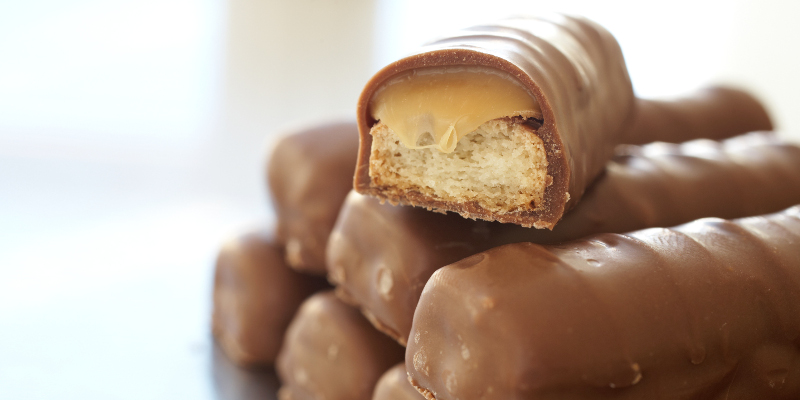
Confections, which include sugary sweets, such as chocolate and gum, comprise the biggest sales contribution to the overall snack category in Europe (USD 46.5 billion), reveals a new global report released by Nielsen.
Consumers globally spent USD 374 billion on snack foods annually between 2013 and 2014, a year-over-year increase of 2%. While Europe (USD 167 billion) and North America (USD 124 billion) make up the majority of worldwide snack sales, annual snack sales are growing faster in the largely developing regions. Asia-Pacific (USD 46 billion) and Latin America (USD 30 billion) increased 4% and 9%, respectively, while sales in the Middle East/Africa (USD 7 billion) grew 5%.
More than three-quarters of global respondents (76%) eat snacks often or sometimes to satisfy their hunger between meals or to satisfy a craving, and 45% of global respondents consume snacks as a meal alternative—52% for breakfast, 43% for lunch and 40% for dinner.
“There is a perception that snacks are intended more for in-between meals than for actual meal replacements,” said executive vice president, Global Professional Services, Nielsen, Susan Dunn. “But busy, on-the-go lifestyles often dictate a need for quick meals, and many opt for fast food options that can be high in calories and low in health benefits. There is a massive untapped opportunity to gain market share in the nutritious, portable and easy-to-eat meal alternative market that snack manufacturers could fill.”
The consumers want free-from products
Nielsen’s study shows that more respondents around the world care about the absence of ingredients than the addition of them.
“Consumers want snacks to stick to the basics,” said Dunn.
Snacks with all natural ingredients are rated very important by 45% of global respondents and moderately important by 32%—the highest percentages out of the 20 health attributes included in the study. The absence of artificial colors (44%), genetically modified organisms (43%) and artificial flavors (42%) are also rated very important. Caffeine-free (23%) and gluten-free (19%) snacks are very important for about one-fourth and one-fifth of global respondents, respectively.
Less is more for roughly one-third of global respondents who think it’s very important that snacks be low in sugar (34%), salt (34%), fat (32%) and calories (30%). One-fourth of those surveyed want snacks that have either low or no carbohydrates. Conversely, roughly one-third are looking for beneficial ingredients, rating fiber (37%), protein (31%) and whole grains (29%) as very important attributes in the snacks they eat.
Environmentally conscious consumers believe it is very important that snacks include ingredients that are sourced sustainably (35%), are organic (34%) and use local herbs (25%).