
The Dark Side of Food Sharing
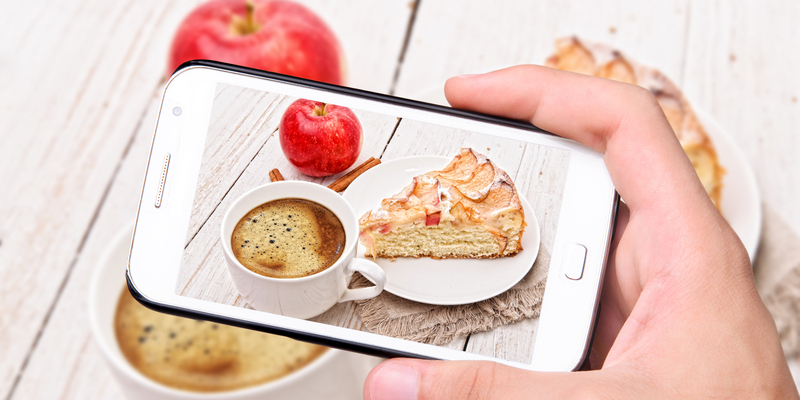
Digital natives or “the igeneration”, how the Generation Z is also named, has strong thoughts about food that were unknown to previous generations.
David Jago, analyst at the research company Mintel, spoke in a presentation about the fear of being judged when sharing food in social media, calling it “a darker side to food sharing”. However, 46% of UK 16-20 year consumers claim that they sometimes feel like people judge them by the kind of food they eat. This is much higher than the 28% overall response.
In France, 44% feel judged, versus a 25% average. This altitude is shared among 16-20s across Europe and suggests that they feel their food choice can be regarded by others as representation of their identity, potentially causing anxiety, the analyst with Mintel says.
However, the data show that sharing food photos is part of the eating experience. “It is critical that food is visually appealing, considering how many young consumers upload photos of what they eat,” the analysis reveals.
For example, 38% of Spanish 16-20s enjoy sharing photos of food on social media vs. 29% of all adults, while 40% of UK 16-20s enjoy sharing photos of food on social media vs. 26% of all adults.
For Gen Z, anxiety and stress is part of daily life, presenting a need for mood-lifting treats. 33% of UK 16-20 young consumers feel anxious or stressed everyday vs. 15% of all UK adults. Moreover, 48% of UK 16-20s eat unhealthy food to cheer themselves up vs. 41% average. This suggests a level of emotional dependence on treat food.
Furthermore, more representatives of Generation Z admit that eating food is a much-needed source of happiness for them then for other generations. For example, 81% of German 16-20 young consumers say that eating food makes them feel happy vs. 71% of all adults. In Poland, 79% of Gen Z says that eating food makes them feel happy vs. 65% of all adults, while in Italia, 66% 16-20 young consumers eat ice cream when they want to improve their mood.