
Euromonitor Analysis: The Gluten-free Oats Revolution
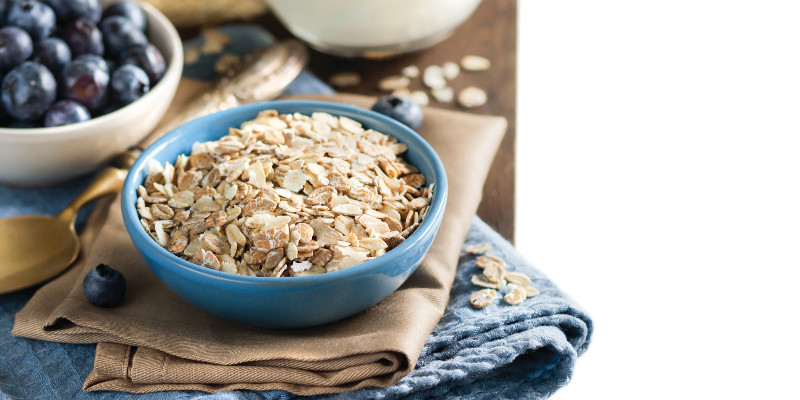
Major players, like Glanbia Nutritionals and General Mills, have made substantial investments in gluten-free oats, and it looks like these will soon be the new industry standard. However, the troublesome question of whether oats are suitable for celiac disease sufferers remains a divisive issue, both in scientific and regulatory terms. Now may be a good time to channel some of the revenues generated by the gluten-free boom into research, as much to help consumers afflicted by the condition as for ensuring the long-term wellbeing of the gluten-free products market.
By Simone Baroke, Contributing Analyst Euromonitor
So, do oats contain gluten or don’t they? Well, it turns out that they do, although oats can still be labeled as “gluten-free” in many markets. In the US and across much of Europe, for example, oat products may be marketed as gluten-free, while in Australia and New Zealand, they most certainly can’t. Let’s take a quick look why there is such a lack of consensus.
The term “gluten” is used to refer to the prolamin protein fraction found in many grains, which celiac sufferers’ bodies can’t handle. In the top commercial grains this prolamin fraction is called gliadin (wheat), hordein (barley), secalin (rye) and avenin (oats). What differentiates avenin from the other kinds of gluten is that the majority of people with celiac disease can tolerate it just fine.
However, not all people can, and therein lies the problem. Estimates of how many celiac disease sufferers are intolerant to avenin vary wildly. Official sources in different countries quote anything from between one and 20 per cent, and research is still ongoing. A recent study carried out by the Walter and Eliza Hall Institute in Melbourne, Australia, published in November 2014 in the Journal of Autoimmunity, found that eight per cent of the celiac study subjects’ immune systems were triggered by the consumption of oats.
The issue of contamination
What further adds to the complexity of the matter is that even among those celiac sufferers who can tolerate oat avenins, accidental cross-contamination of oats and oat-based products with other grains is a big issue. This can easily happen in the field, i.e., the previous year’s wheat crop may have left a few seeds in the ground, and the so mature wheat ears are harvested with this year’s oats. Contamination can also occur when the same processing equipment is used for multiple grain crops.
You can read more in the latest issue of our print magazine Biscuit World!
Related articles:
Euromonitor International: Global packaged food sales to reach USD 2.9 trillion in 2019
Euromonitor: The future of bread in Europe
Mintel’s predictions: Bakery trends in Australia, New Zealand and China