
Sweet & Savory Snack Flavors
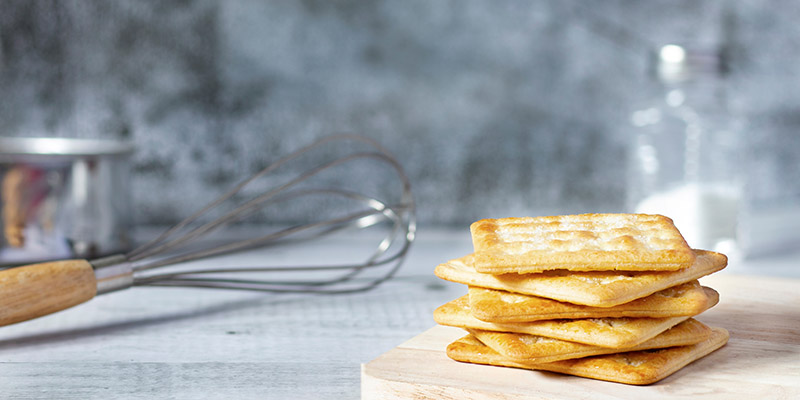
Although traditional favorites are still well represented, the range of flavors in the bakery snacks market continues to widen. Flavor continues to represent an important point of difference for brands within the bakery snacks market. Manufacturers recognize that developing alternative or novel flavors is one of the key mechanisms for attracting consumers to the biscuits category, in the face of strong competition from other varieties of snacks.
By Jonathan Thomas
Much of the recent development in bakery flavors has been driven by consumer health concerns. Fruit and vegetable-based flavors have therefore become more popular for sweet and savory biscuits respectively – these are often supplied in powdered format and added to the manufacturing process. As health pressures have intensified, manufacturers have been faced with the challenge of reformulating their products without compromising on taste or texture.
Cookies/Sweet Biscuits
A wide variety of flavors exist within the global market for cookies and other sweet biscuits. Much of the activity is driven by local heritage and tastes, although the increasingly cosmopolitan lifestyles led by large sections of the global population mean that flavors are now traversing national boundaries. A recent study of cookie preferences in the US by Nestlé Toll House gives some indication of how locality can shape flavor trends – for example, peanut butter is the favorite in Georgia (which accounts for almost half of peanut output in the US), while cookies made with macadamia nuts and maple syrup are most popular in Hawaii and Vermont respectively.
At the same time, however, certain sectors of the sweet biscuits market have been accused of lacking variety, especially for products marketed as everyday treats. At the lower end of the market, sugar is the only flavor offered by many varieties of sweet biscuits, while ingredients such as chocolate are widely used (though more distinction is now being made between chocolate types such as milk and dark). The situation tends to be rather different for premium biscuits, where flavor innovation represents one of the more successful ways for brands to stand out on the shelf. Dark chocolate tends to be more widely used in the premium sector since it typically offers a more premium look and taste.
A key driver in terms of flavor NPD within the sweet biscuits market at present is nostalgia, a trend that has been accentuated over the last year due to the worldwide uncertainties caused by the Covid-19 pandemic. This has led to the emergence of sweet biscuit flavors based on popular dishes or desserts typically viewed by many consumers as comfort foods.
One recent example from the UK market was the launch in 2020 of new McVitie’s digestives under the ‘Best of British Desserts’ banner. This aimed to coincide with the 2020 Olympics in Japan (although this event was later postponed due to the pandemic), since McVitie’s is a sponsor of Team GB athletics. The new flavors were based on popular or iconic British dishes such as Strawberries & Cream and Cherry Bakewell, with consumers encouraged to vote for their favorites using the hashtag #SaveYourFace on social media channels. Later in the year, the McVitie’s digestives range was extended further with new flavors inspired by popular desserts – varieties included Lemon Drizzle, Chocolate Brownie, Sticky Toffee Pudding and Strawberry Cheesecake.
Some of the other more popular flavors within the global market for sweet biscuits and cookies include perennial favorites such as caramel, chocolate, coconut and hazelnuts. Many products also incorporate spices – examples range from ginger to cinnamon (which is often paired with pecans in North America), nutmeg and vanilla. The growth of the coffee shop culture across much of the world has inspired the development of flavors such as mocha and cappuccino, while the popularity of green tea biscuits and cookies is now spreading to western markets.
One of the leading brands in the global market for chocolate-coated wafer products is Nestlé’s KitKat, which is available in more than 80 countries. Recent activity suggests that flavor innovation remains high on the agenda for Nestlé. During the autumn of 2019, the company launched new premium handmade versions of KitKat at the John Lewis store in Oxford Street in London. This new initiative enabled consumers to create their own bespoke KitKat bars by utilizing up to 1,500 flavor combinations – examples included Gin & Tonic and Cherry Bakewell.
A comparatively recent extension to the brand in European markets has been KitKat Ruby, a pink-colored four-finger KitKat made from Ruby cocoa beans – these are described as imparting a fresh berry fruitiness to the product. Elsewhere, new KitKat flavors have been much in evidence within the Australian market of late. Recent launches have included extensions to the four-finger range in Gooey Caramel, Double Cookies & Cream and Mint Cookie Fudge, as well as KitKat Chunky Gold Crisp. In April 2021, it was announced that some of these flavors would be introduced in the UK market. At around the same time, the KitKat range was further extended in Australia with new dark chocolate varieties, examples of which included Tasmanian Mint and Southern Australian Orange, the latter of which uses oil from blood oranges sourced from the Riverland and Sunraysia region. Not only do these new KitKat products offer premium flavor profiles, but they also address the consumer desire for increased traceability and provenance.
You can read the rest of this article in the May-June Issue of European Baker & Biscuit magazine, which you can access by clicking here.