
Toward Sustainability Despite Challenges
Companies’ efforts toward sustainability have been challenged lately by the post-pandemic reality. Supply chain interruptions, rising inflation , dwindling labor force, all put pressure on sustainability goals.
Companies in the baking business, big or small, plan and strive to be sustainable businesses that operate in a way that minimizes their negative impact on the environment, society, and the economy. Driven by consumer pressure, but also by profitability concerns, their focus lies mostly in three main areas: energy, waste reduction, and ingredient sourcing. We talked to two multinationals, an ingredients company and a manufacturer, about how they are navigating the current challenges and how they help their clients, bakers and retailers, to work toward their sustainability goals.
IFF: “Unprecedented pressure on the quality, availability and cost of raw baking materials”
IFF is a global leader in food, beverage, health, biosciences and sensorial experiences with more than 130 years of experience in providing solutions for taste, texture, scent, nutrition, enzymes, cultures, soy proteins and probiotics.
“Making sustainability a priority continues to be a major challenge for the baking industry – especially in the face of rising food, raw materials and manufacturing costs”, said Vanessa Bergamini Martins Mendes, Global Product Category Marketing Manager Bakery Enzymes, and Rogerio de Almeida Prado, Global Innovation Marketing Leader, Bakery, IFF.
“Following more than two years of steep price increases, affordability has become a major issue affecting the bakery industry’s sustainability efforts,” the spokesperson explained. “Multi-dimensional challenges, such as the global energy crisis and extreme weather conditions have put unprecedented pressure on the quality, availability and cost of raw baking materials.” A consequence of this is that people around the world are paying higher costs for baked goods – which can be as much as 33% more for bread in some regions worldwide, according to Euromonitor Price Tracker. “This has impacted consumer purchasing behavior, with consumers often prioritizing price over other variables, including sustainability.”
The answer and solution to keep prices in check, the experts said, is for bakers across the industry to increasingly focus on local raw materials, lowering ingredient costs and reducing product returns.
Functional ingredients can help a step further. “Fluctuating weather patterns can create seasonal variations in flour quality, which industrial bakers typically resolve through standardization,” said the IFF specialists. “When a flour’s natural protein content is low, for instance, vital wheat gluten is commonly added to ensure uniform batch-to-batch quality of bread and other baked goods. However, wheat gluten is expensive and subject to supply issues. For this reason, choosing an alternative, more price-stable option – like an enzyme substitute – can help bakers optimize costs without compromising on quality.”
Enzymes, emulsifiers and food protection solutions can also help baked goods stay fresher for longer – reducing waste and the potential return of stale products, and decreasing transport costs by allowing bakeries to do fewer, larger deliveries. For consumers, this is also beneficial because they can enjoy fresher baked products for longer.
Dough strengtheners (which reinforce the gluten network in dough during processing) are a good example of how leading-edge ingredient innovation can play a pivotal role in helping the baking industry achieve its sustainability goals. Conventional dough strengtheners include emulsifiers, like DATEM (diacetyl tartaric acid esters of mono) or SSL (sodium stearoyl lactylate). Although they are effective at addressing gluten strength and improving the machineability of dough, there is growing demand for more cost-effective options that also help to reduce businesses’ carbon footprint.
“Our ENOVERA enzyme-only portfolio is a first-of-its-kind on the market – helping bakers to consistently replicate the robustness and functionality of conventional dough strengtheners, even in challenging applications such as whole wheat bread”, said the IFF reps. “The range has been designed to generate emulsifiers in situ from naturally occurring wheat flour lipids, providing the robustness and functionality of conventional dough strengtheners without compromising on volume, appearance or eating properties. And additionally, it is a label-friendly option for bakers.”
Baker & Baker: “Collaboration is paramount to deliver meaningful sustainability changes”
Baker & Baker is a European leader in the bakery convenience segment, operating across 12 sites in seven countries, with around 2,500 employees and an annual turnover in excess of EUR400m. They manufacture a broad range of high quality own label and branded bakery products – 2,500 different bakery SKUs for over 500 customers – for markets across Europe.
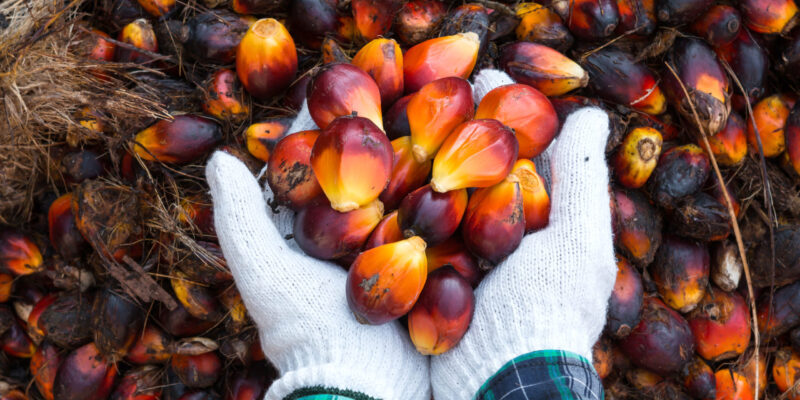
“Our overarching sustainability strategy features five pillars – environment, people, products, communities and governance,” said Nicholas Bevan, Baker & Baker Director of Sustainability. “Within those pillars, we have a number of key objectives. For example, on the environment, emission reduction and achieving net zero is a key objective. We map our Group level carbon footprint on an annual basis and have set a 2040 net zero target year. We have made a commitment to be deforestation-free throughout our supply chain by 2025, and this is particularly important for raw materials that are key drivers of deforestation, such as cocoa and palm oil.”
Across other sustainability objectives, Baker & Baker has also set a target of 100% sustainable palm oil throughout the company’s product portfolio, and measures their progress on an annual basis, reporting into Roundtable on Sustainable Palm Oil (RSPO). An additional target of a 2% annual reduction in water consumption ratio across the four UK manufacturing sites is part of their commitment to the WRAP Water Roadmap.
RSPO is a non-profit organization that was established in 2004 to promote the growth and use of sustainable palm oil products through global standards and engagement of stakeholders in the palm oil industry. The organization works towards ensuring that palm oil is produced in an environmentally responsible, socially beneficial, and economically viable manner. WRAP is a climate action NGO that works around the globe to tackle the causes of the climate crisis. The Water Roadmap aims that, by 2030, that 50% of fresh food in the UK is sourced from areas with sustainable water management.
You can read the rest of this article in the July-August issue of European Baker & Biscuit, which you can access by clicking here.