
Tate & Lyle Expands its Sustainable Stevia Program with Earthwatch
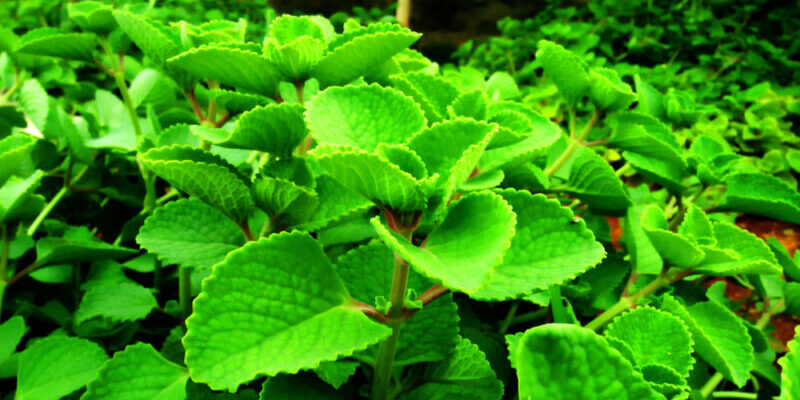
Tate & Lyle has entered into the next phase of its sustainability program for stevia, a plant-derived and in-demand low-calorie sweetener, by enrolling new farmers in China. The program will support participating farmers to implement best practices identified in its 2019 stevia life-cycle-analysis and verified in its 2021 on-farm pilot.
A world leader in ingredient solutions for healthier food and beverages, Tate & Lyle partnered with environmental charity Earthwatch Europe (Earthwatch), working with Nanjing Agricultural University in East China, to develop the program, which aims to ensure that the stevia industry grows sustainably.
The expanded program follows an on-farm pilot undertaken in Dongtai in 2021 that focused on improving the environmental and social impacts of stevia production, based on the results of Tate & Lyle and Earthwatch’s life-cycle-analysis completed in 2019. The 2021 pilot aimed to reduce the impacts of fertilizer use and help farmers to understand soil health through regular, straightforward testing. In its first full year, the pilot program saw promising reductions in all of the nine impact categories measured against the baseline, including a reduction in greenhouse gas emissions and an improvement in metrics linked to local water quality1. The pilot also found that optimized fertilizer use can positively influence stevia productivity and steviol glycoside content, resulting in a greater proportion of the desirable sweet components used to make stevia ingredients, verifying findings from the 2019 study.
Nick Hampton, Chief Executive of Tate & Lyle, said: “Supporting sustainable agriculture is front and center of our plans to deliver on our commitment to be carbon net zero by 2050, to help our customers deliver on their carbon reduction commitments and to build a thriving farming community. Our stevia program in China epitomizes our purpose in action and is laying the groundwork for the sustainable development of the stevia industry. We are excited to share our lessons and experiences to strengthen sustainability in the stevia supply chain and help farmers to unlock economic benefits for their communities.”